
Health Insights & Lab News
Stay informed with the latest diagnostic insights, laboratory updates, and health tips from EIV Diagnostics.
October 6, 2026
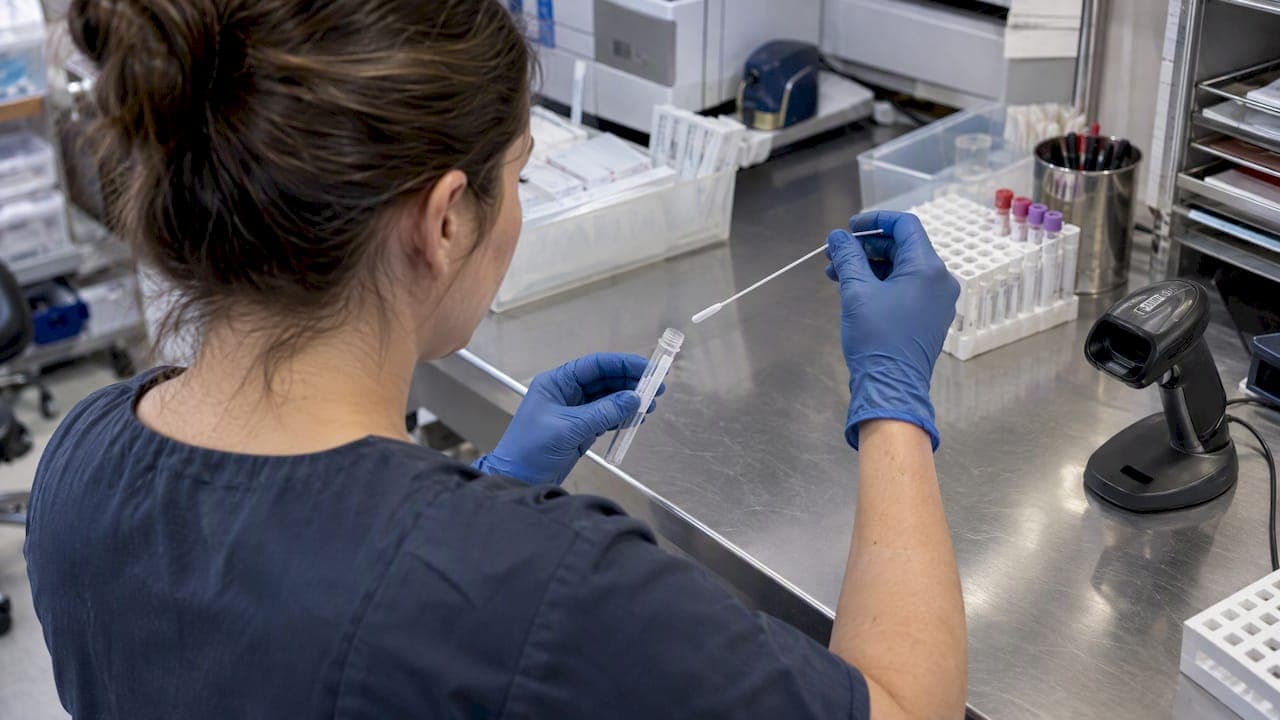
Up to 97% Sensitive but Not Resistance: BV PCR for Clinicians, Patients
BV PCR: when it helps and why it won’t show antibiotic resistance. Practical test interpretation, plus EIV mobile collection and lab reporting.
Read article →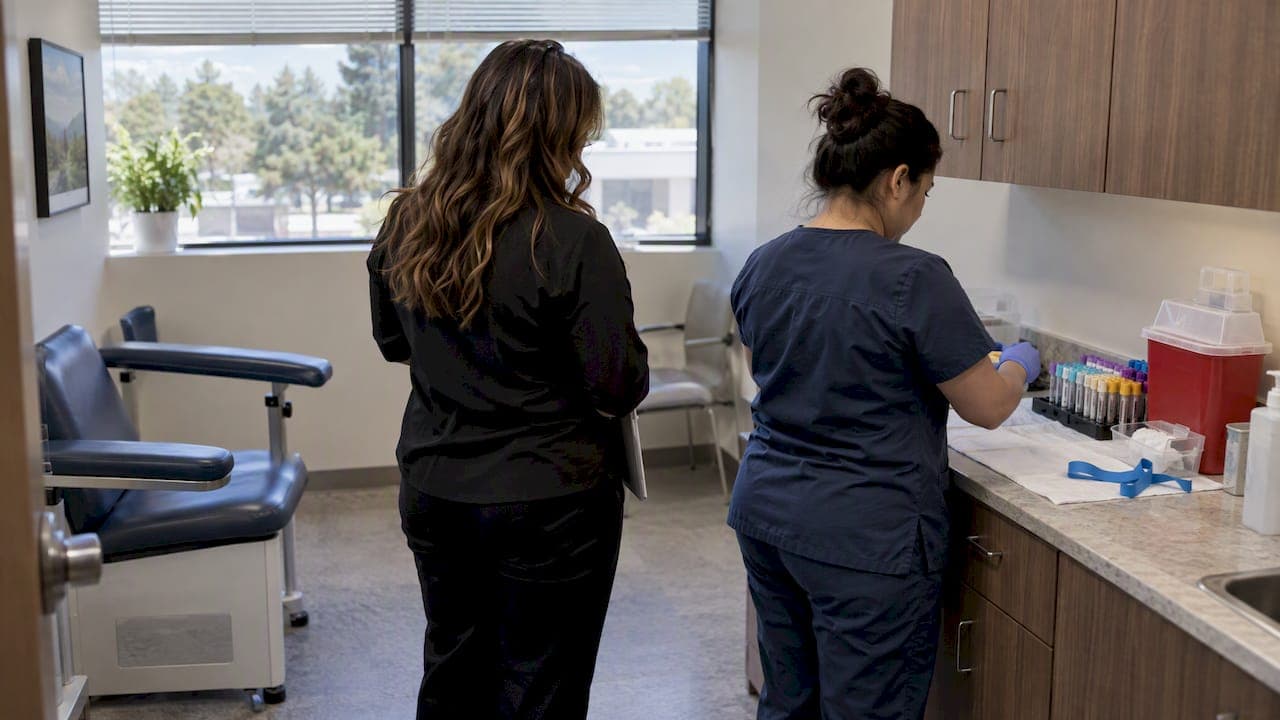
October 5, 2026
10–20 Minute Draws: Phlebotomy for Employers, Compliance and Contracts
Playbook for employers hosting mobile phlebotomy events. Covers OSHA, CLIA, HIPAA checkpoints, vendor contract terms, timing, costs, and EIV Diagnostics...
Read article →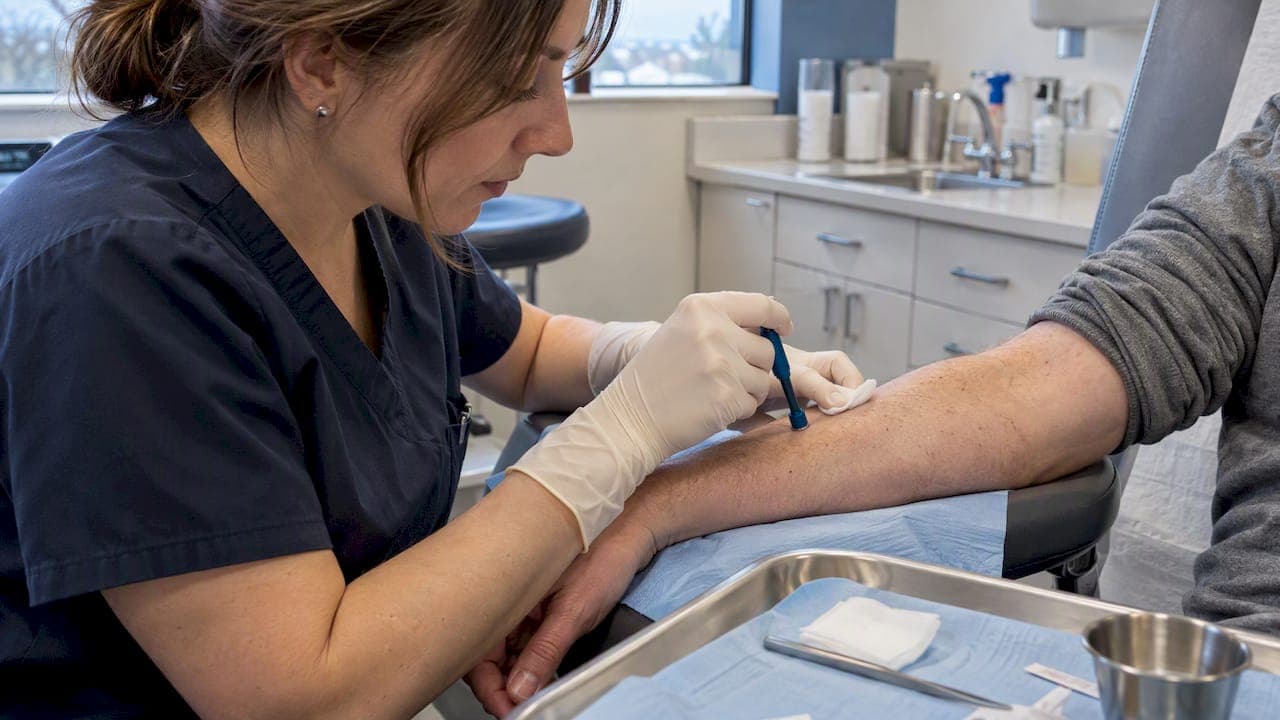
October 4, 2026
Avoid Repeat Biopsies: Skin Biopsy Types and DIF Tips for Clinicians
For clinicians: clear rules for skin biopsy types and practical DIF specimen handling, including Michel's medium and a 3–4 mm punch to improve diagnostic...
Read article →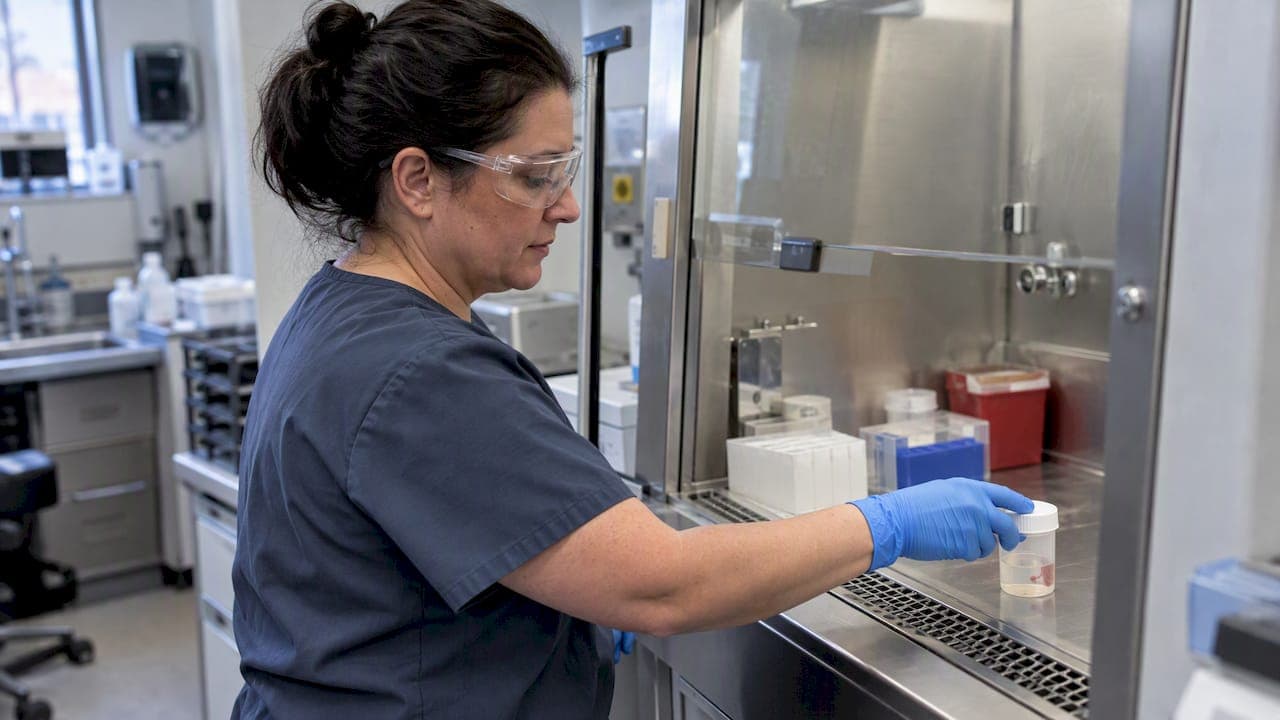
October 3, 2026
6–72 Hour Fixation Window: Evidence First Formalin Protocols for Labs
Evidence-first lab reference on formalin fixation: keep cold ischemia under 60 minutes, use a 6–72 hour fixation window, and follow OSHA safety and...
Read article →
October 2, 2026
Stop Trial and Error Opioid Prescribing With PGx Pain Management
Evidence first clinical guide to PGx pain management. Learn when testing reduces trial and error opioid prescribing, how to interpret results, and where...
Read article →
October 1, 2026
Three Genes Clinicians Need: Antidepressant Pharmacogenomics
Clinician focused synthesis of CPIC and PRIME Care evidence with a concise lab workflow. Which three genes should change antidepressant prescribing?
Read article →
September 30, 2026
Hit 95% Concordance: Telepathology Workflow for Labs and Lab Managers
Workflow-first telepathology for labs and lab managers: stepwise validation, CAP/CMS guardrails, integration and evidence-backed steps to target >95%...
Read article →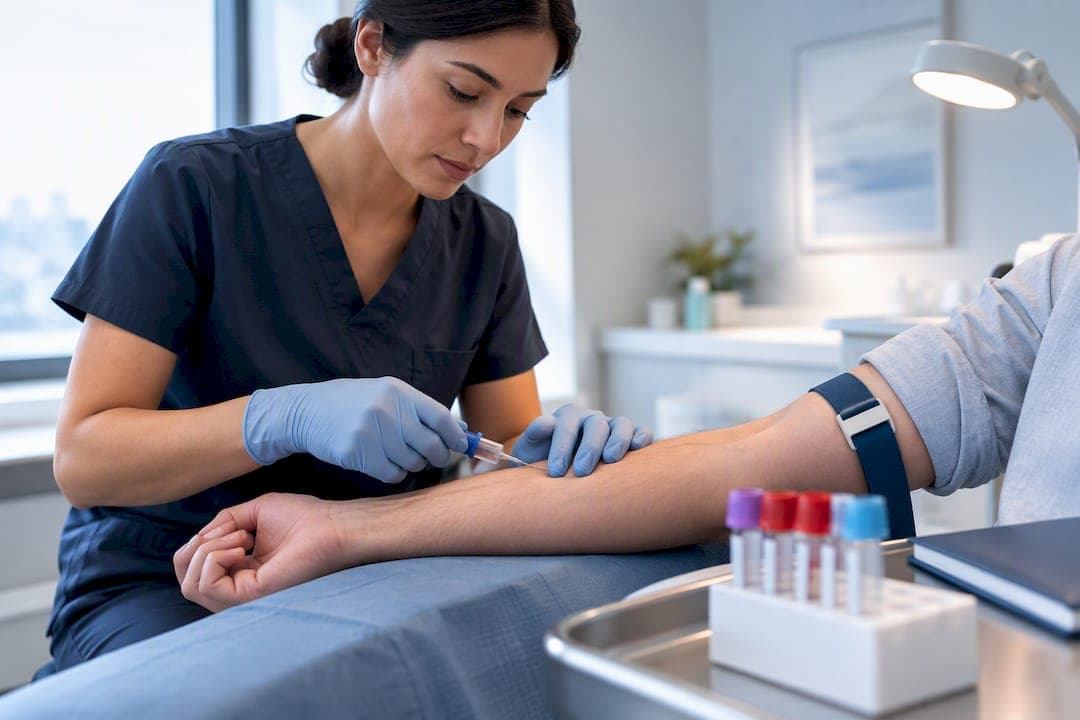
September 29, 2026
Onsite Blood Draws: 5 Medically Supervised Prep Steps to Avoid Rejected Samples
Prepare for an onsite blood draw with five medically supervised steps to avoid rejected samples, verify safety and billing, and learn how EIV Diagnostics...
Read article →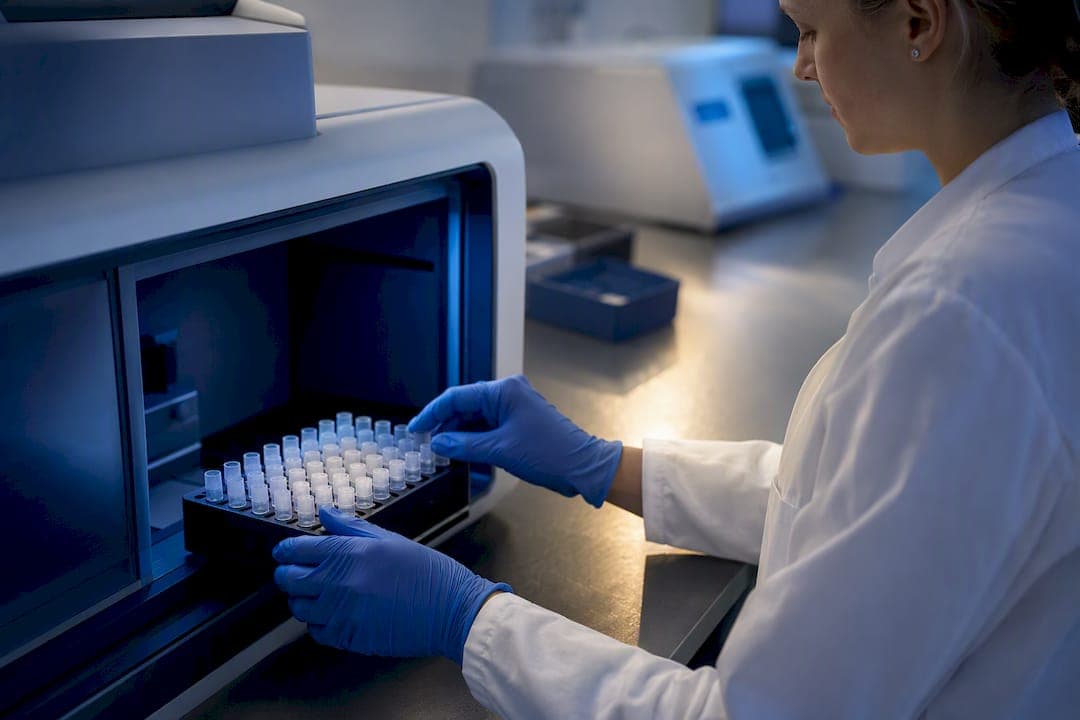
September 28, 2026
HPV PCR Testing for Clinicians and Patients: The 14 High Risk Types
A clinical-first explainer of HPV PCR testing: which 14 high-risk types assays detect, how to read results, what to ask your lab, and EIV Diagnostics'...
Read article →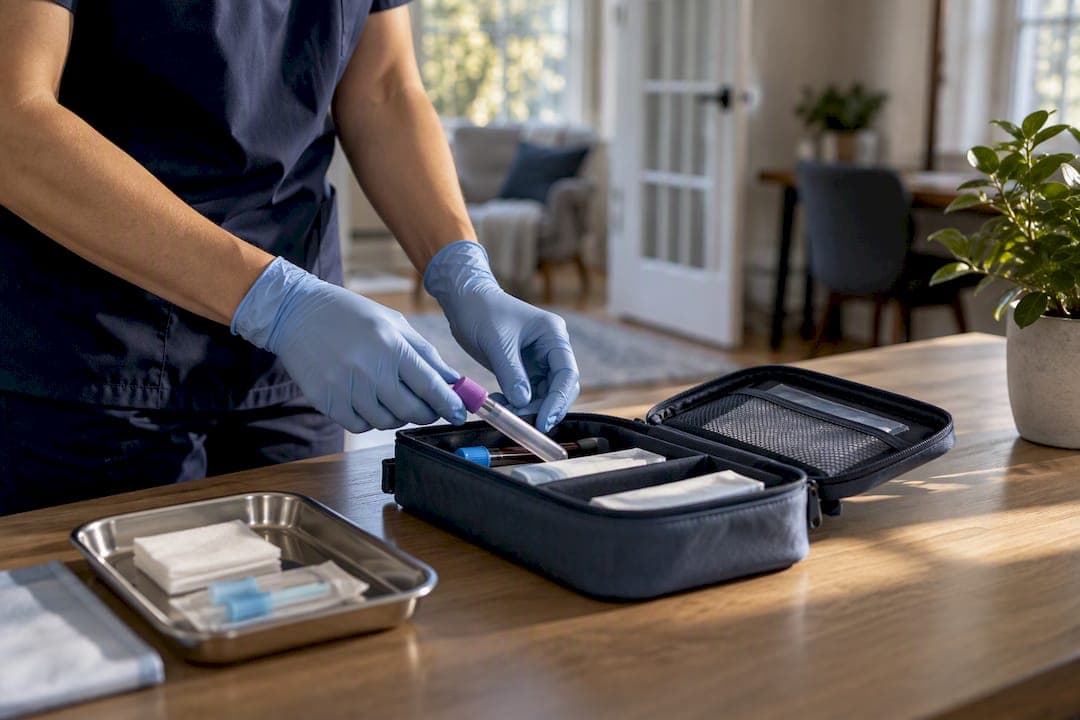
September 27, 2026
Get a Good Faith Estimate: Avoid a $400 Surprise on Home Blood Draws
Typical home blood draw costs: $65–$150 for a visit plus $20 to hundreds for lab tests. Learn when Medicare pays and what to ask before you book.
Read article →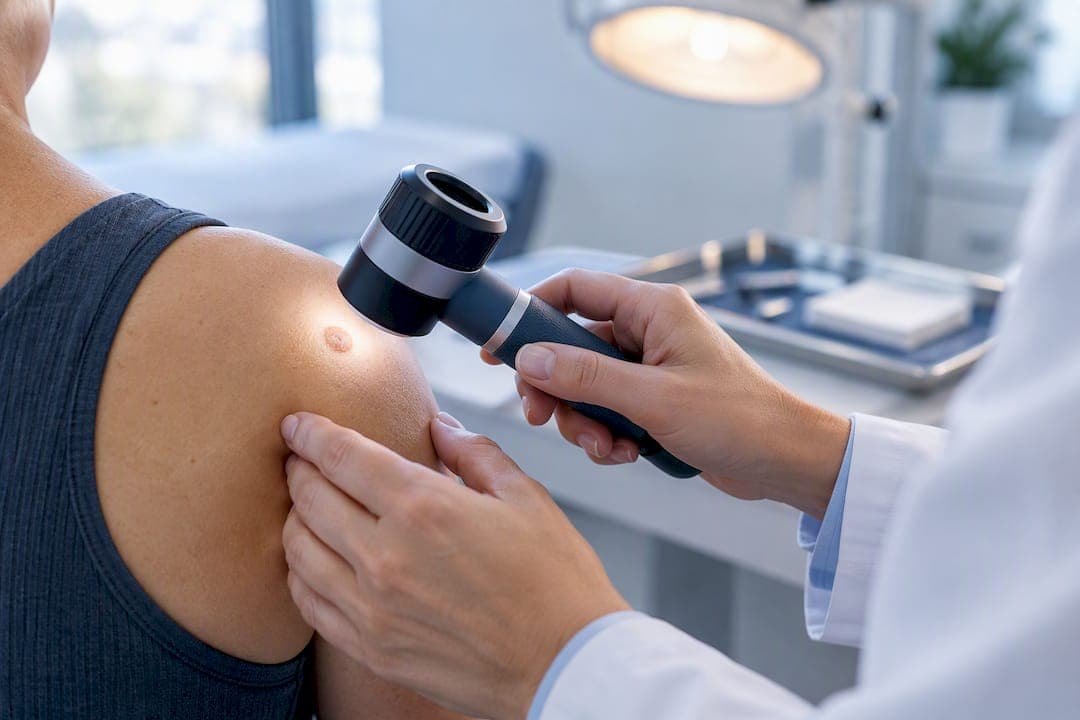
September 26, 2026
Basal Cell Testing: 4 Biopsy Methods Confirming Diagnosis for Patients
Learn which biopsy confirms basal cell cancer, how labs analyze samples, and when special stains, imaging, or molecular tests actually change treatment.
Read article →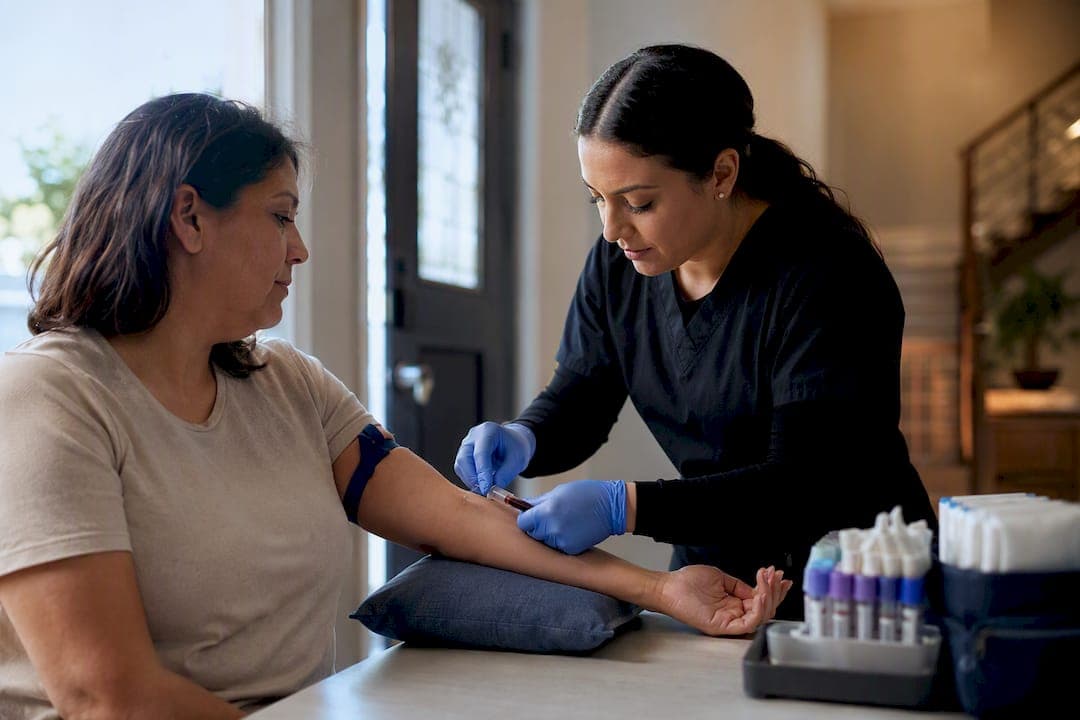
September 25, 2026
Mobile Blood Draws in Fresno: $50–$250, Medicare vs Self Pay
Typical Fresno mobile blood draw visit fees run $50–$250. Learn who pays lab charges under Medicare or self pay and see a local self pay option from EIV.
Read article →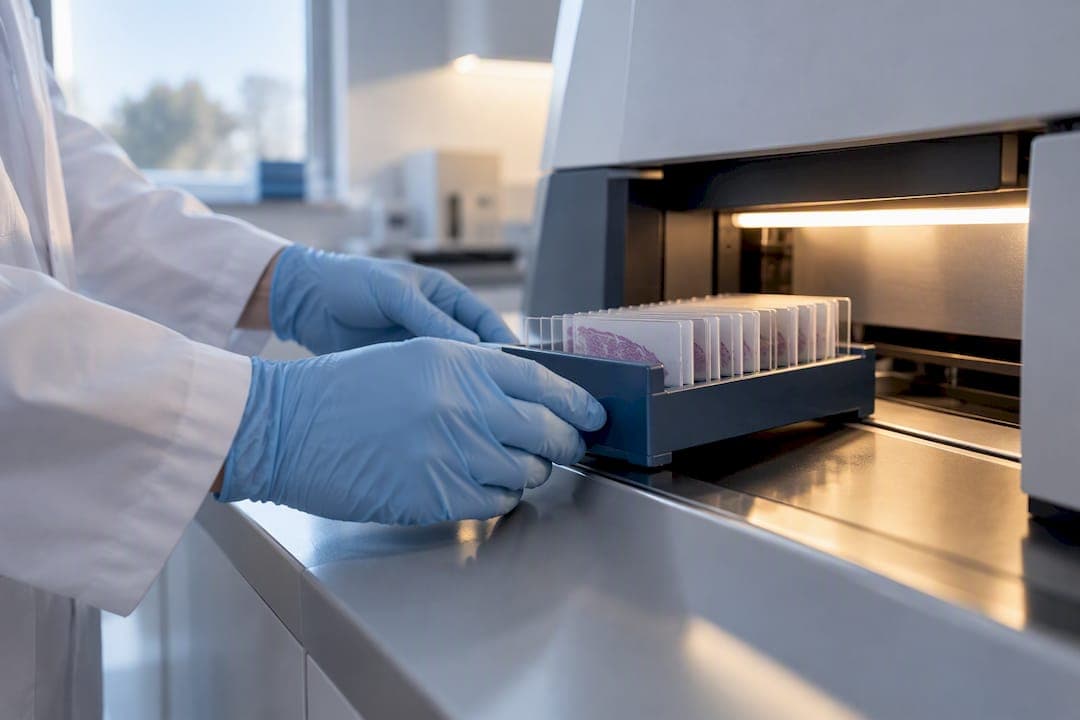
September 24, 2026
Digital Pathology: 98.3% Concordance and When Labs Still Need Glass
Operational guide for lab leaders explaining evidence-backed benefits, real cost and turnaround tradeoffs, and a practical validation checklist with EIV...
Read article →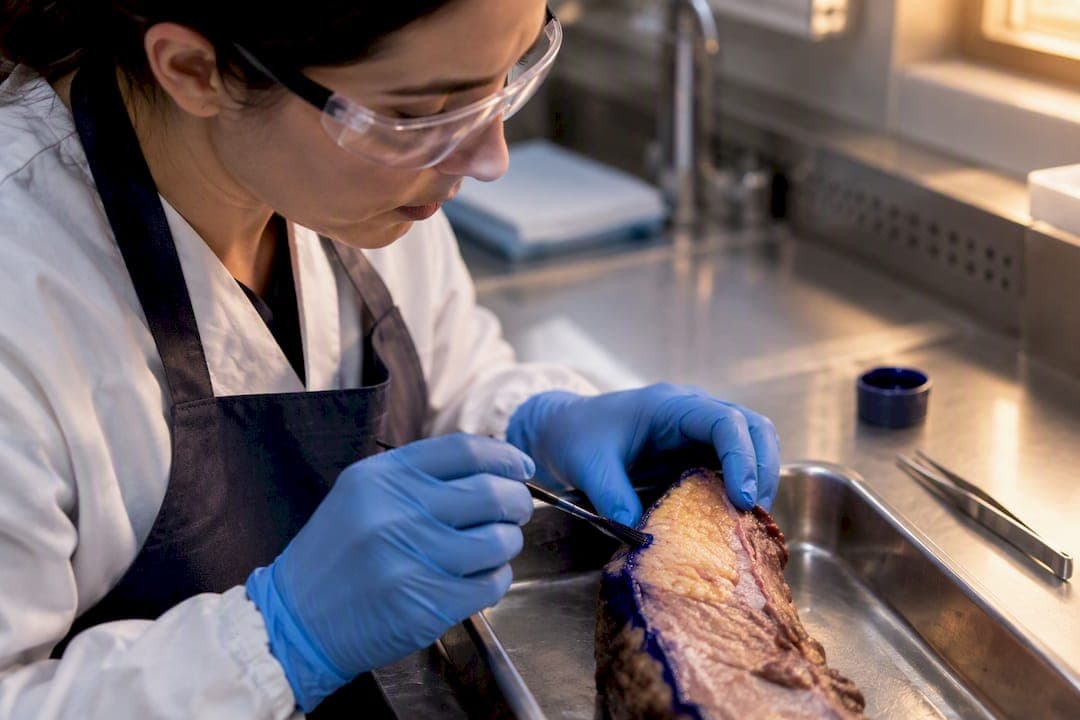
September 23, 2026
Clinicians and Patients: 4 Margin Report Checks to Decode Guidelines
Learn what margin status means, how labs measure margins, and why "no ink on tumor" differs by cancer. A four point checklist helps you read your...
Read article →
September 22, 2026
Telepathology for Clinicians: 4 Modalities and When to Use Each
Match the four telepathology modalities to real clinical cases—frozen sections, cytology, biopsies. Read accuracy data, rollout essentials, and EIV...
Read article →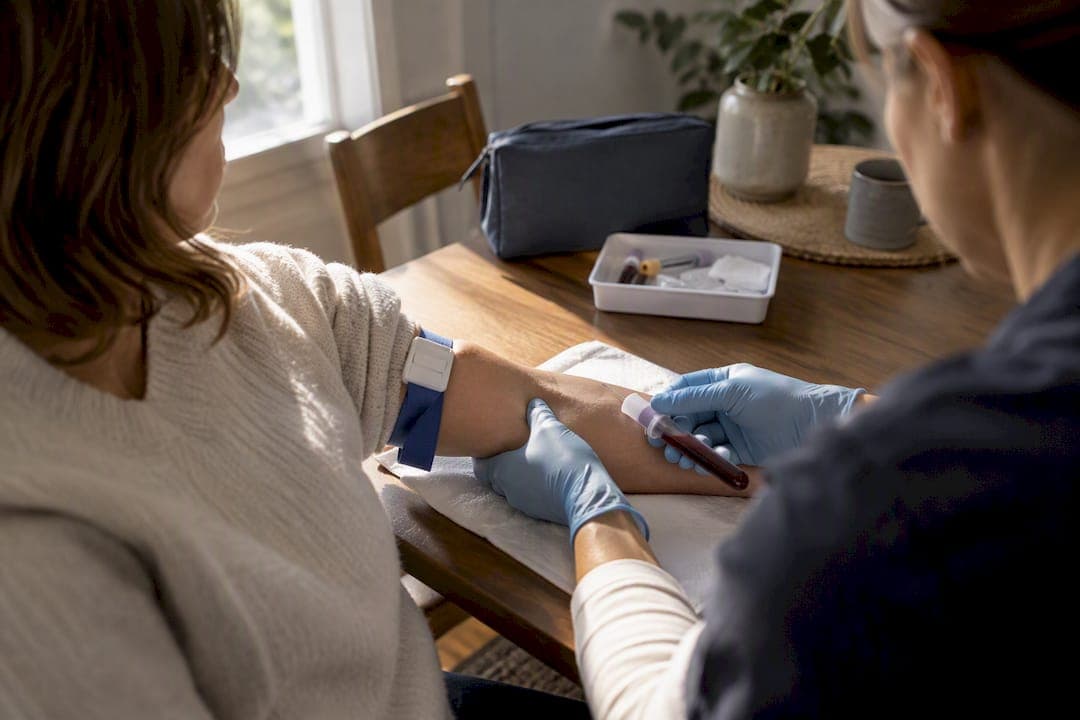
September 21, 2026
Patients: Thyroid Panel Explained, How to Get Tested Without a Doctor
Patient primer: what each thyroid panel marker means, why numbers can mislead, and how to order testing without a referral.
Read article →
September 20, 2026
Decode Your Melanoma Pathology Report: Breslow & Ulceration
How Breslow thickness and ulceration in your melanoma pathology report set AJCC stage, guide SLN biopsy, and when to get a specialist opinion.
Read article →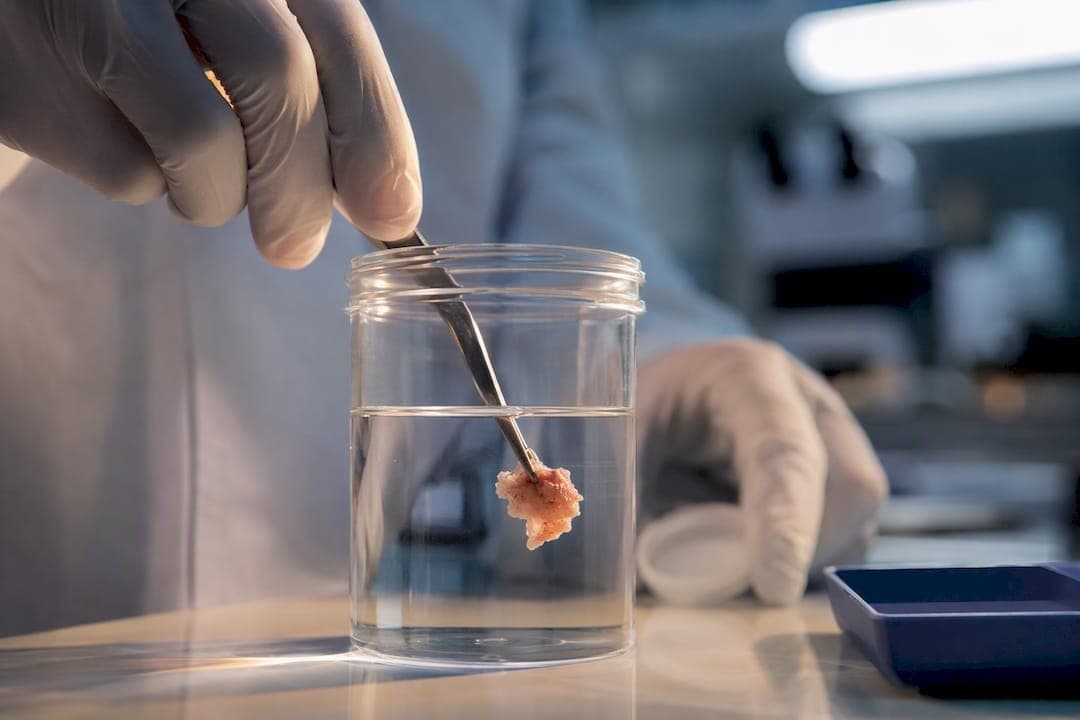
September 19, 2026
Prevent Overprocessing and Recuts: Biopsy Processing Steps for Labs
Bench ready biopsy workflow for labs and clinicians covering fixation timing, short processing runs, embedding, sectioning, staining, and QC.
Read article →
September 18, 2026
24 Hour Fixation Matters: Immunohistochemistry for Clinicians
Beginner primer on how immunohistochemistry stains are made and read, why fixation and controls affect results, and what patients and clinicians should ask.
Read article →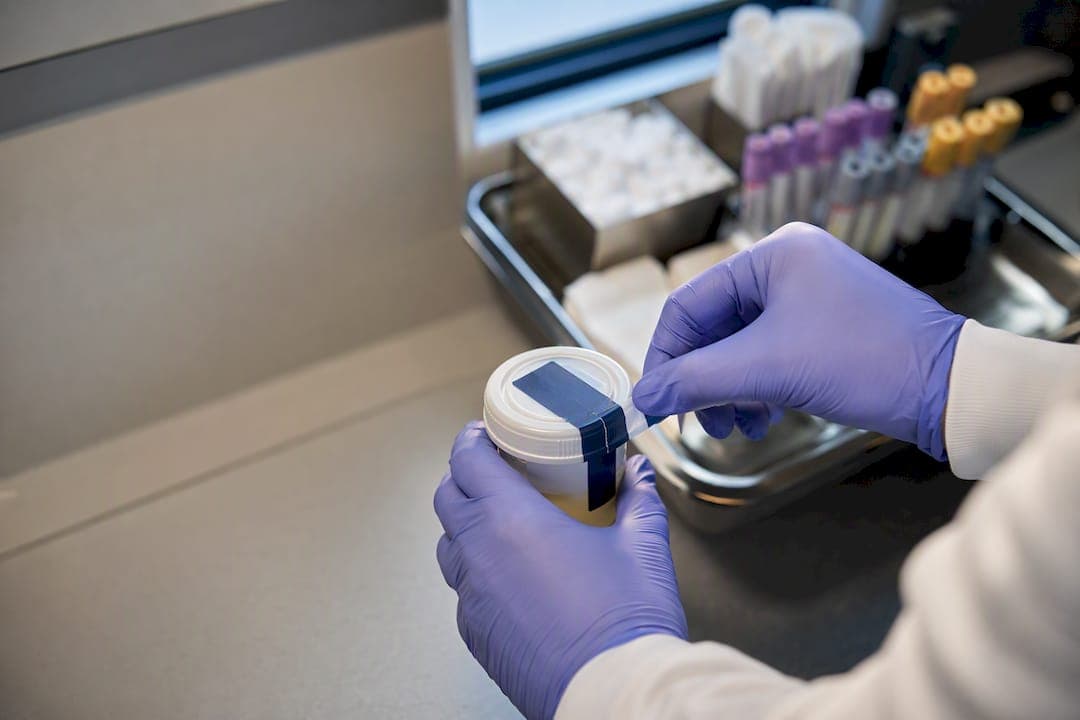
September 17, 2026
Chain of Custody Explained: 7 Steps Clinicians and Patients Must Know
Protect patient identity and avoid rejected lab results with seven practical custody checks clinicians and patients can use.
Read article →
September 16, 2026
Clinicians: Clinicopathologic Correlation Led to 13 Revised Diagnoses
Clinicopathologic correlation improves diagnostic accuracy. See the audit evidence, follow a five-item checklist for biopsies, and apply practical lab...
Read article →
September 15, 2026
Cervical Cytology Results in 1–3 Weeks, Next Steps and Lab Support
Plain language explanations of cervical cytology results, 1–3 week timelines, concrete next steps, and how labs use HPV genotyping and mobile phlebotomy.
Read article →
September 14, 2026
U.S. Lab Managers: Pathology Lab Accreditation and Inspection Readiness
Practical U.S. roadmap for lab managers to achieve pathology lab accreditation: standards, step-by-step process, costs, common gaps, inspection readiness,...
Read article →
September 13, 2026
PCR Ct Value (3.3 Cycles = 10×): When Patients & Clinicians Trust It
Learn when a PCR Ct value reflects viral load, why Ct varies between labs, and the lab steps clinicians and patients can use to avoid misinterpretation.
Read article →
September 12, 2026
15–60 Minute STAT Tests: What Clinicians and Trainees Must Know
Understand when to order STAT tests, realistic 15–60 minute turnaround expectations, why send-outs and POCT slow results, and a seven item checklist...
Read article →
September 11, 2026
Clinicians: 2–4 Minute ROSE Passes for Molecular Triage, Telecytology
Practical ROSE workflow for clinicians and trainees: make each pass 2–4 minutes, prioritize molecular triage, and validate telecytology for reliable...
Read article →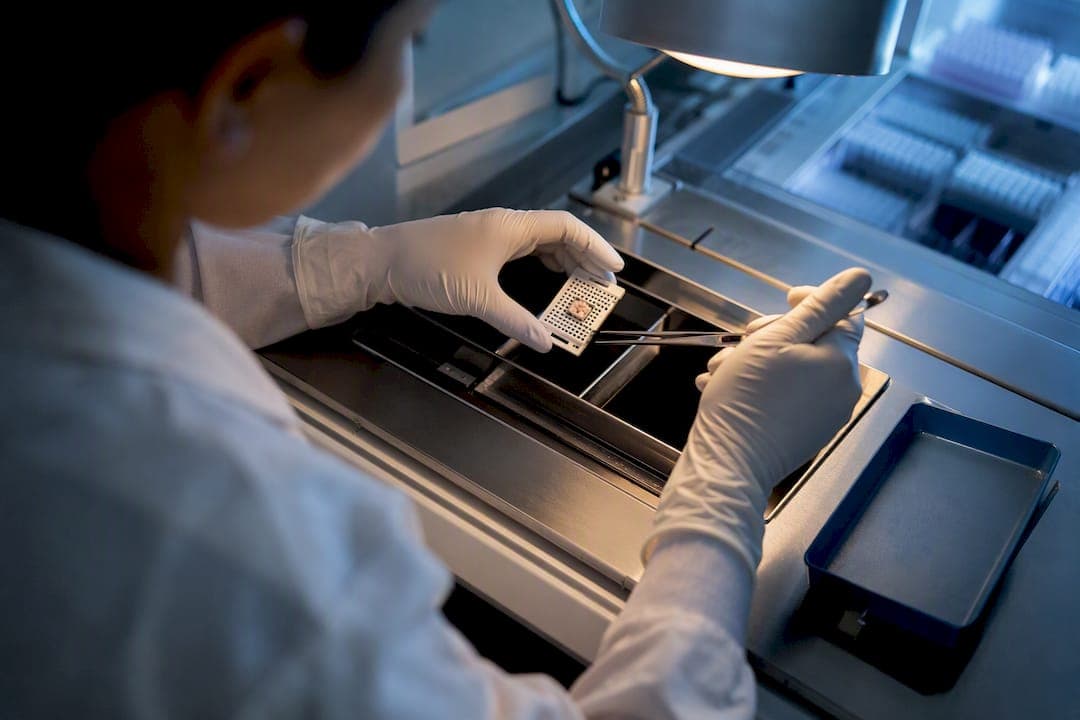
September 10, 2026
2–7 Days for Most Biopsy Results: What Patients Should Ask
Most routine biopsies return in 2–7 days; complex cases may take 2–3 weeks. Patient focused timelines, lab workflow explained, and questions to ask.
Read article →
September 9, 2026
Clinicians: Close the Critical Lab Value Gap Seen in 0.1–1.1% of Tests
A clinician-focused guide to critical lab values: incidence (0.1–1.1%), reporting targets (~1 hour), immediate actions, and how to close policy-to-bedside...
Read article →
September 8, 2026
Trainees, Credentialers & Patients: Verify a Board Certified Pathologist
Practical explainer for trainees, credentialers, and patients on what board certification proves and how to verify it (free ABMS lookup or $35 ABPath record).
Read article →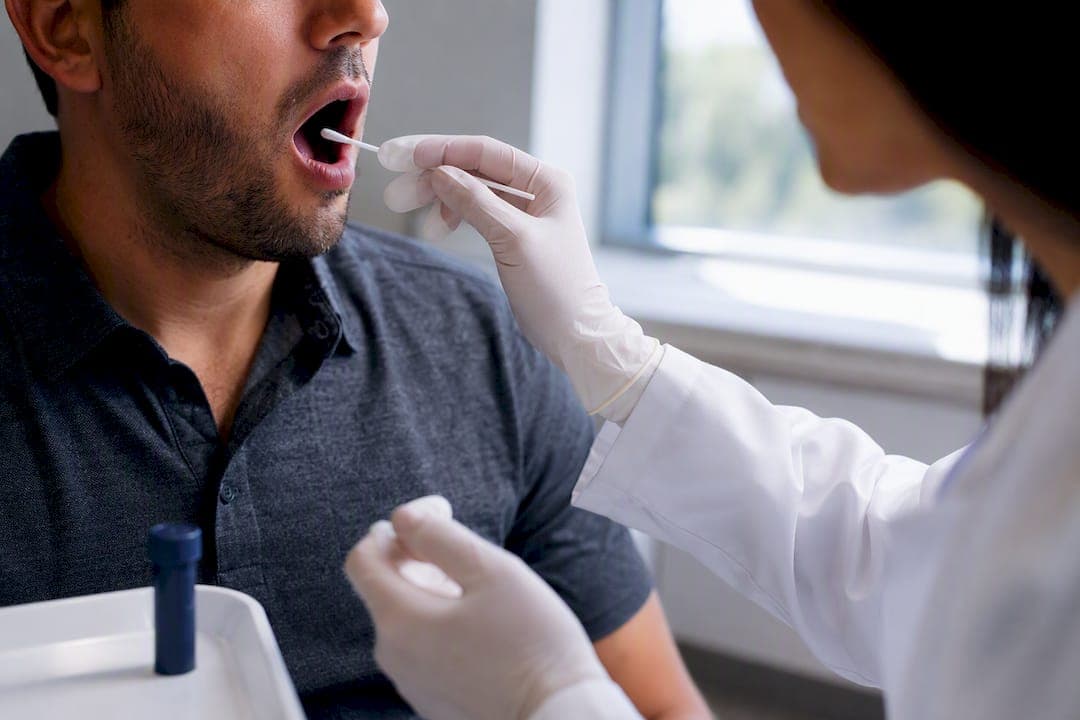
September 7, 2026
95% Have Actionable Genes: Pharmacogenomic Testing for Patients
Learn how pharmacogenomic testing tailors safer prescriptions, why >95% carry actionable variants, what reports mean, and how to get tested.
Read article →
September 6, 2026
Pathologists Decide Your Diagnosis: What They Do and Career Steps
Explore how pathologists diagnose disease, where they work, how long training takes, subspecialties, and lab services like mobile phlebotomy.
Read article →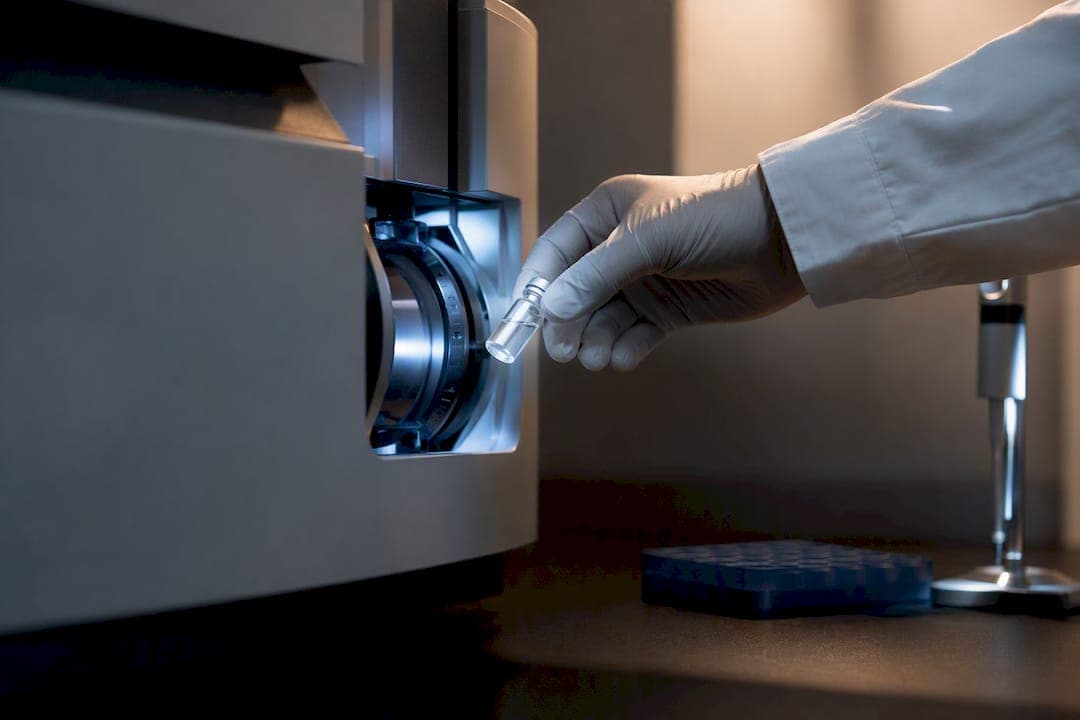
September 5, 2026
10× Sensitivity Gap: Which Toxicology Screening Method Clinicians Need
Match the toxicology test to the clinical question. Compare immunoassay, GC MS, LC MS/MS, and HRMS; learn how cutoffs, specimen choice, and workflows...
Read article →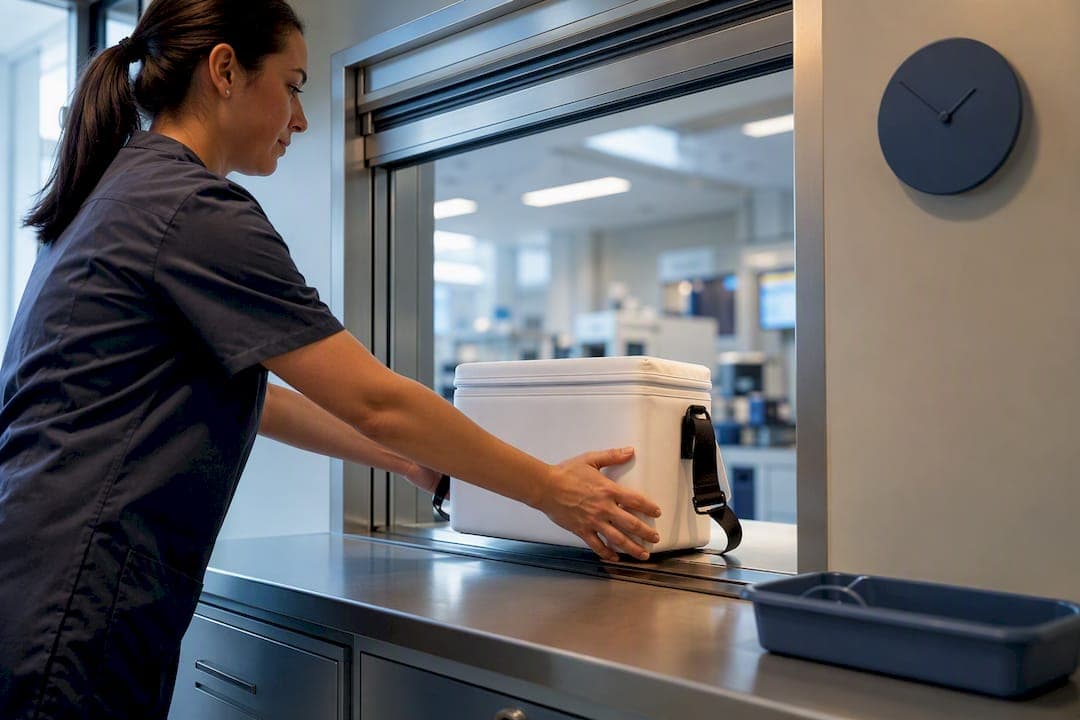
September 4, 2026
30–60 Minute STAT Lab Tests: Why Governance Trumps Speed
A clinician and lab-manager guide to STAT lab tests: set realistic 30–60 minute TATs, prevent STAT overuse, and build governance that keeps urgent results...
Read article →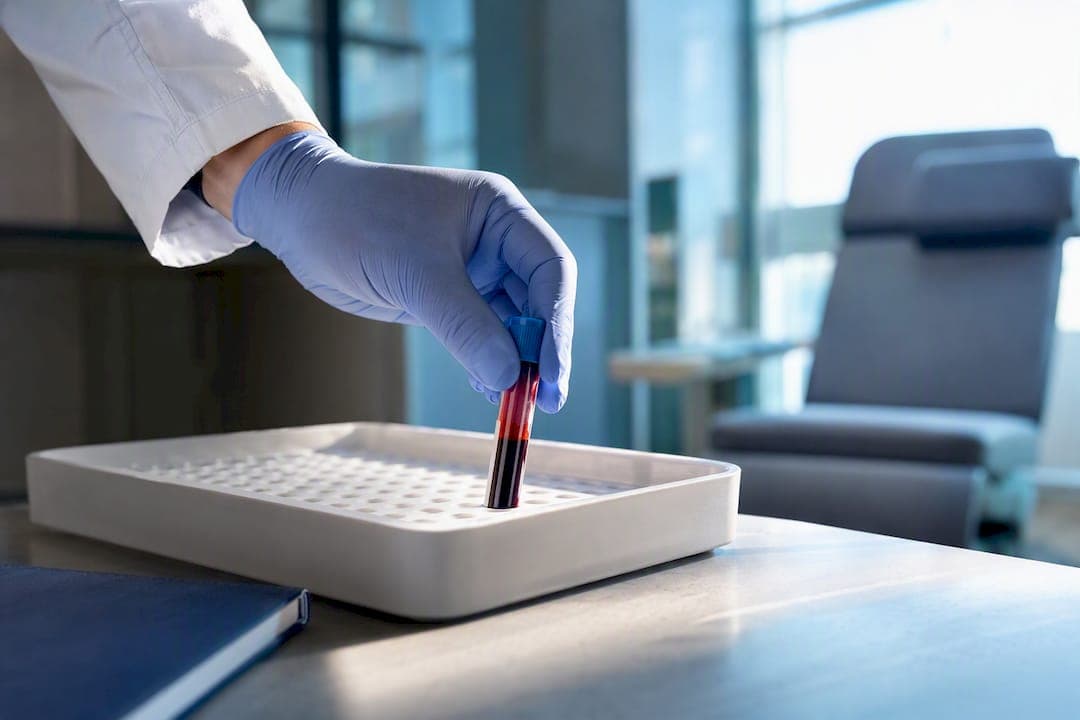
September 3, 2026
2026 U.S. PSA Screening Guidelines: Start, Stop, Repeat (2–4 yrs)
2026 aligned U.S. PSA screening guidance: who to screen (ages 40–55 by risk), when to stop, and why repeat testing every 2–4 years with rapid lab follow-up.
Read article →
September 2, 2026
Telepathology for Clinics: 7 Step Plan and 60 Case CAP Validation
Practical US guide to telepathology for clinics: 7 step rollout, CAP 60 case validation, costs, EHR integration, and an EIV Diagnostics example.
Read article →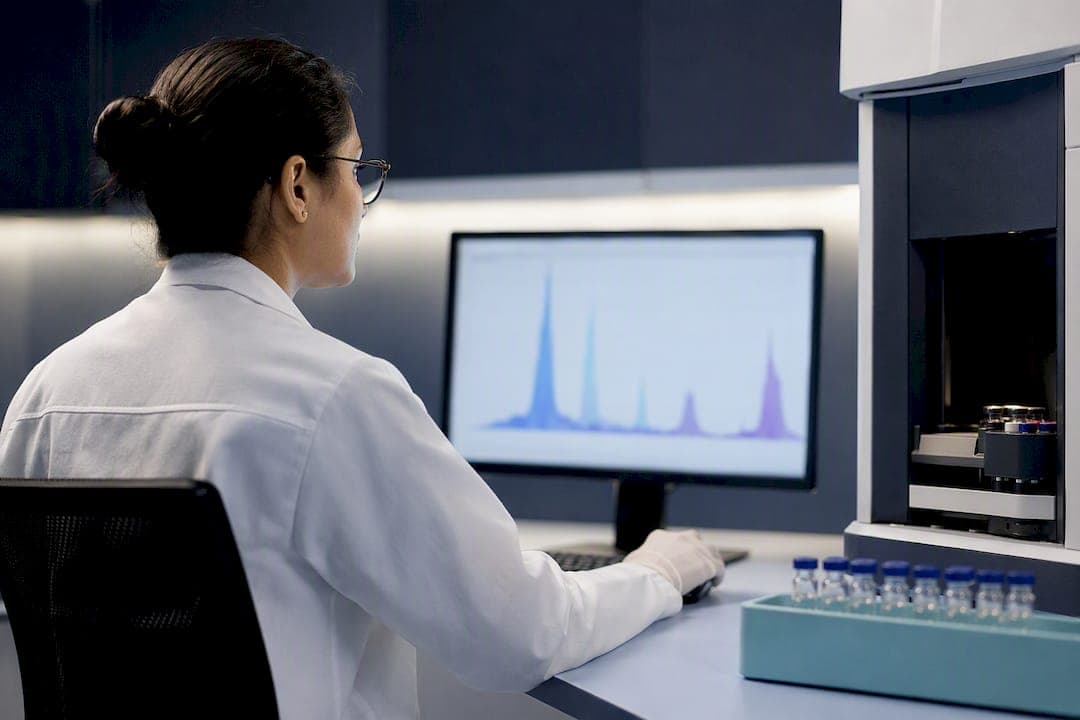
September 1, 2026
Clinicians: Confirm Unexpected Results With LC MS/MS in Pain Testing
Lab‑led, clinic‑ready guidance for clinicians: baseline urine before opioids, confirm unexpected screens with LC MS/MS, plus ordering, billing, and...
Read article →
August 31, 2026
15–20 Min Mobile Phlebotomy in Central Valley With In House Pathology
At home lab draws in the Central Valley. Phlebotomists do 15–20 minute visits; in house pathology and pathologist review shorten turnaround.
Read article →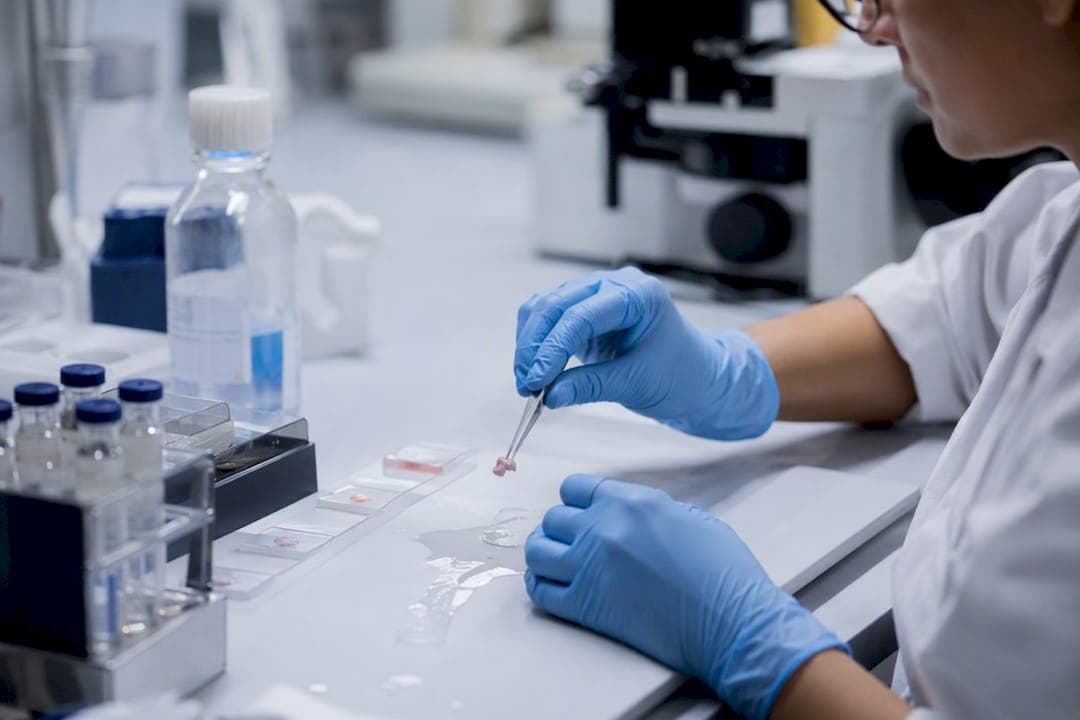
August 30, 2026
Dermatopathology Timing: 2–3 Days, 7 Qs for Patients & Clinicians
Dermatopathology timing: routine biopsies 2–3 days, complex or molecular tests 2–3 weeks. Lab step timeline plus 7 questions to speed results.
Read article →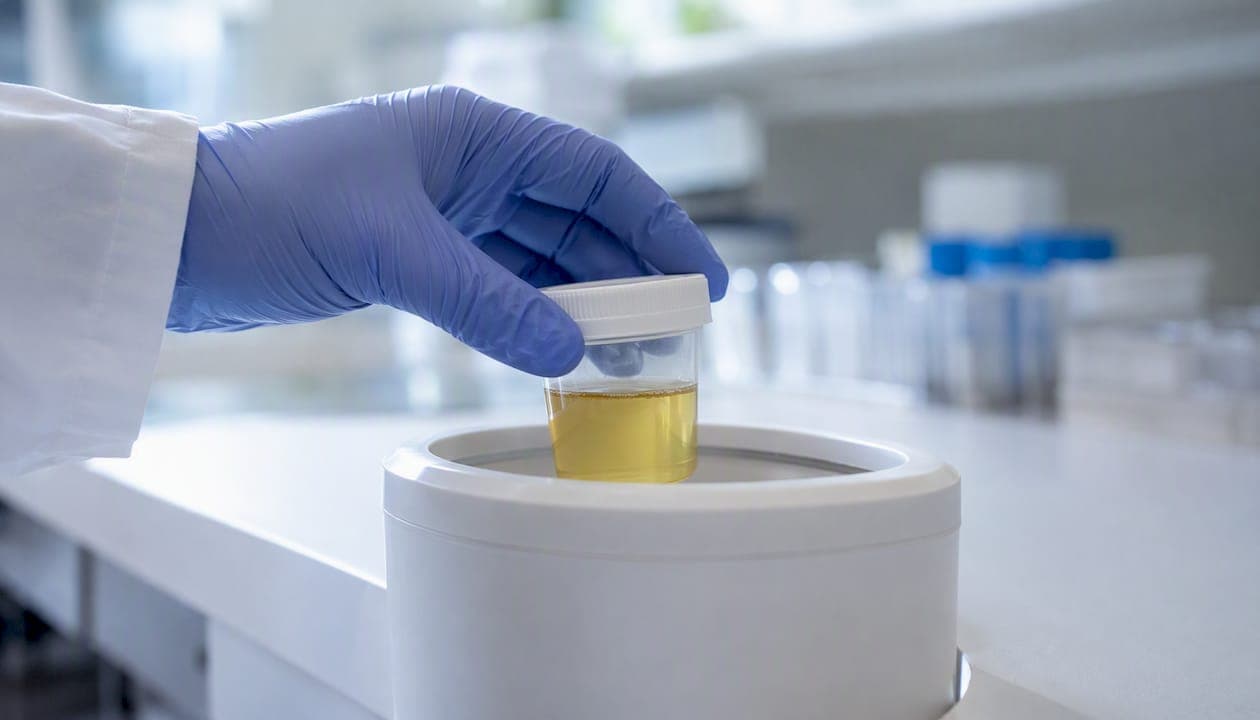
August 29, 2026
Clinicians and Patients: 1–3 Days to 12 Weeks for Urine Drug Detection
For clinicians and patients: concise urine drug detection windows, common blind spots, and clear steps to obtain chromatography confirmation.
Read article →
August 28, 2026
Specimen Collection Errors: Causes and Prevention Strategies
Discover how to prevent specimen collection errors with simple strategies that enhance diagnostic accuracy and improve patient outcomes.
Read article →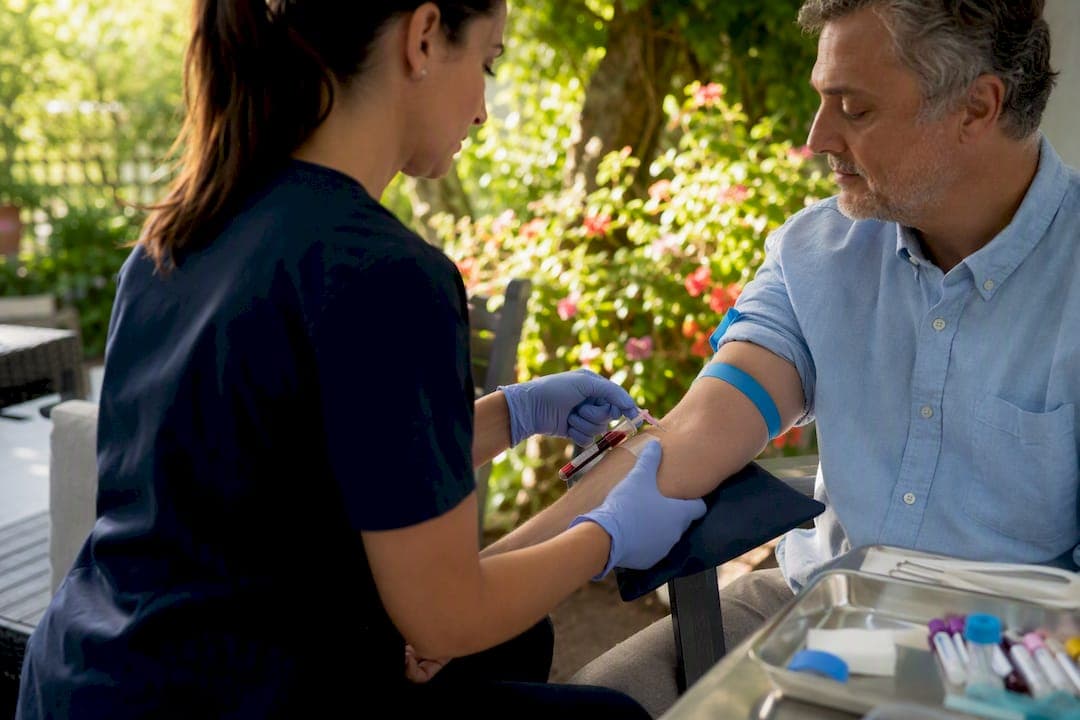
August 27, 2026
Testosterone Test Timing: When to Get Blood Drawn
Discover the best timing for your testosterone test. Get accurate results by drawing blood in the morning for reliable diagnosis.
Read article →
August 26, 2026
What Is PCR? A Plain-Language Guide to DNA Amplification
Discover how PCR, a powerful DNA amplification technique, transforms tiny genetic samples into millions of copies for rapid analysis.
Read article →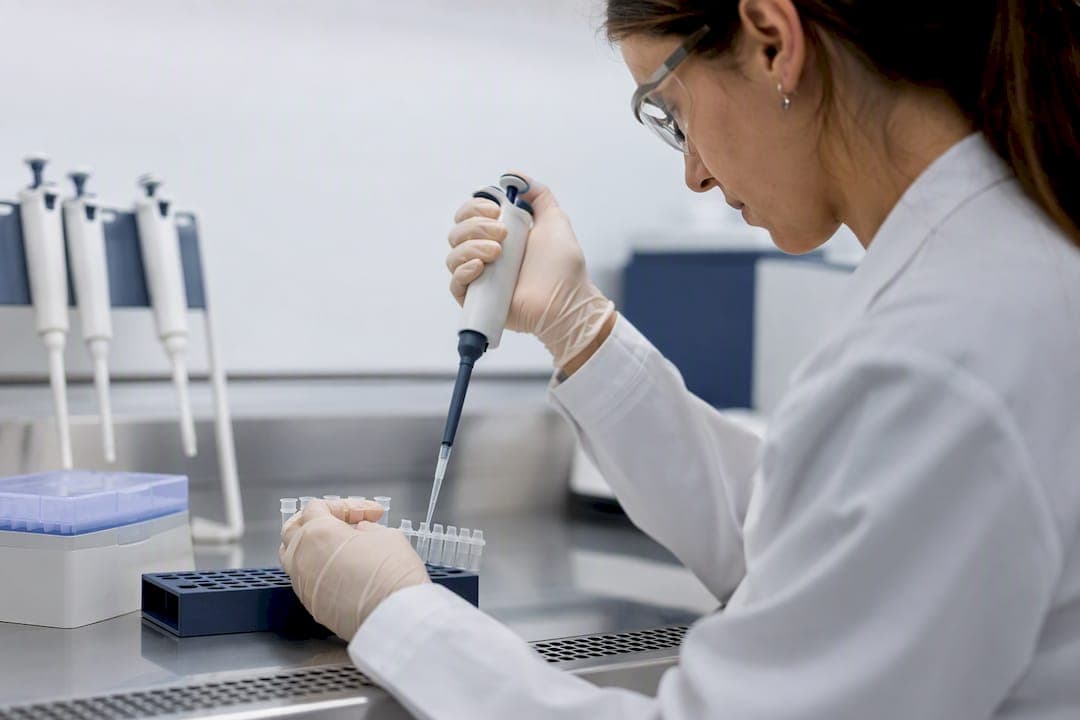
August 25, 2026
How Accurate Is PCR Testing? What the Evidence Actually Shows
Discover the real-world accuracy of PCR tests for COVID-19. Learn how timing, sample quality, and lab transport affect reliability.
Read article →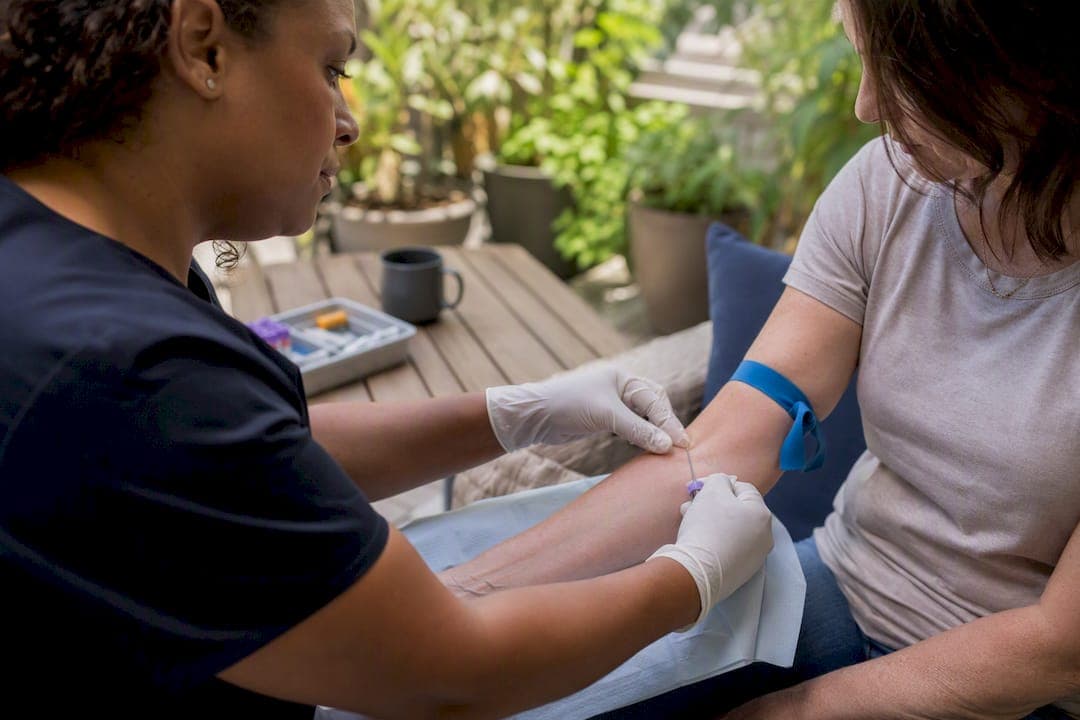
August 24, 2026
What to Know About Blood Draw Complications and Warning Signs
Learn how to identify and manage blood draw complications. Recognize warning signs and ensure a safer experience during and after your draw.
Read article →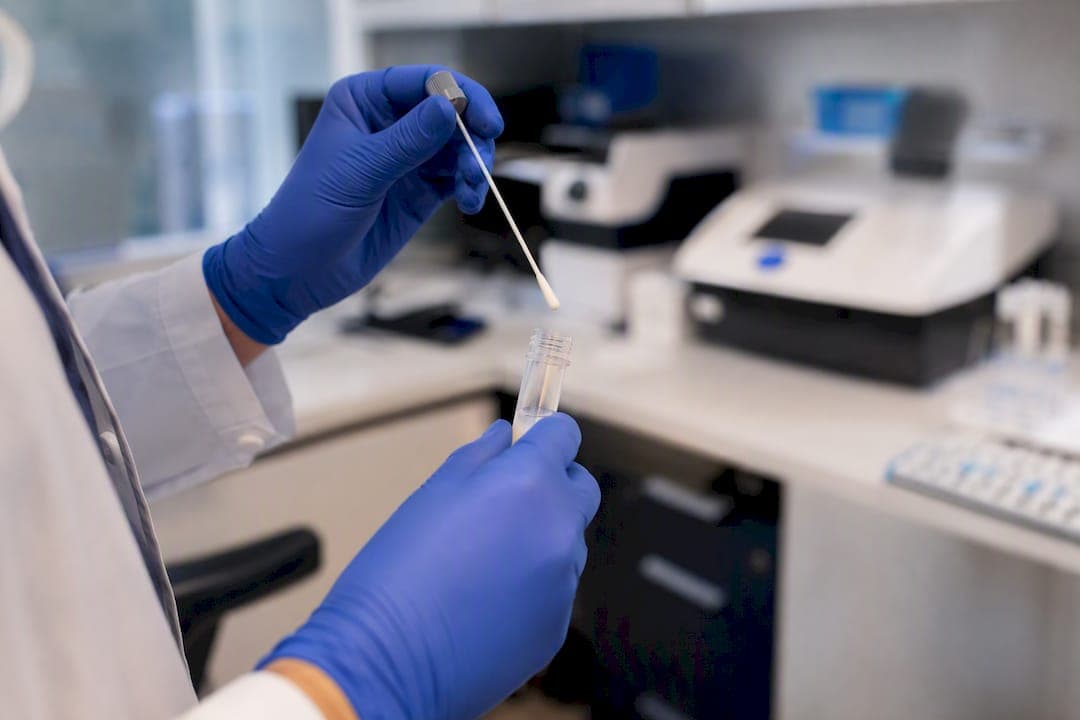
August 23, 2026
What a Strep Throat PCR Test Tells You and Why It's So Accurate
Learn how a strep throat PCR test accurately detects Group A strep DNA, providing quick results for symptomatic patients. Discover its benefits!
Read article →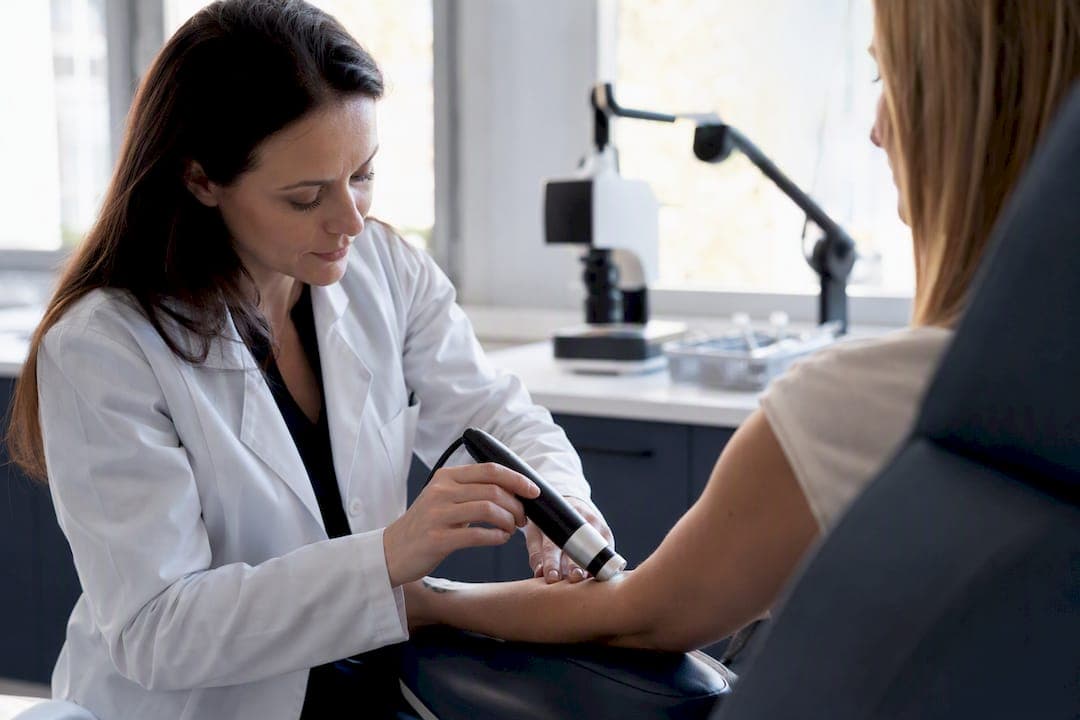
August 22, 2026
What Confocal Microscopy Does for Skin Diagnosis
Discover how confocal microscopy enhances skin diagnosis by providing real-time, noninvasive imaging for accurate cancer detection and treatment.
Read article →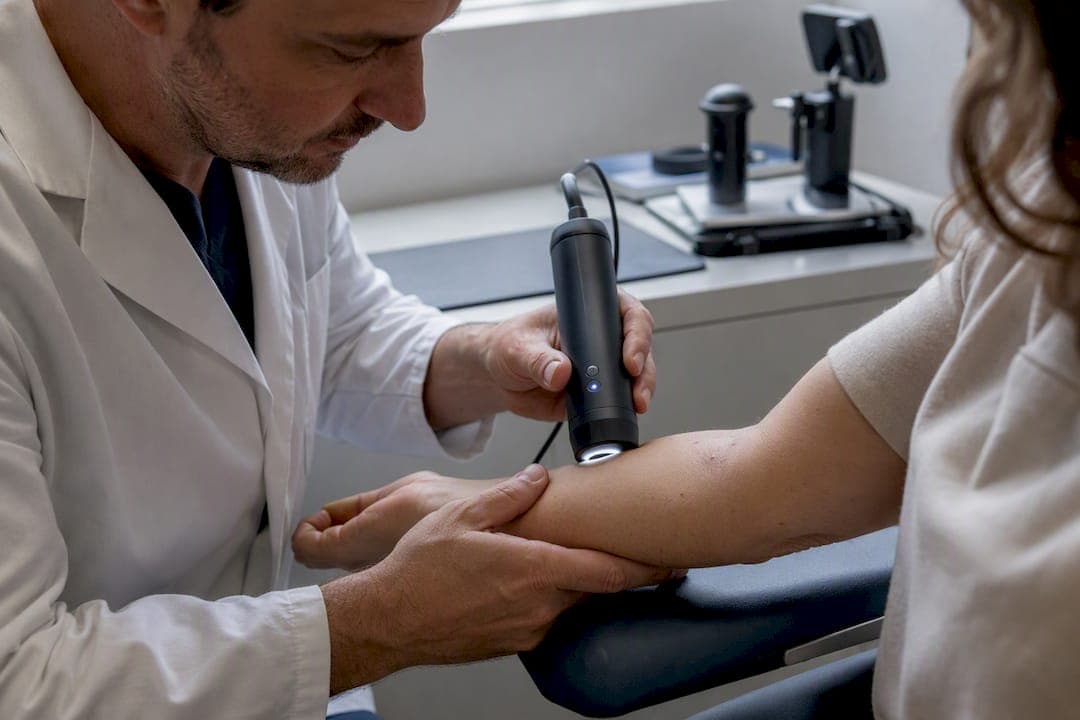
August 21, 2026
Confocal Microscopy for Melanoma: Accuracy, Uses, and Limits
Discover how confocal microscopy enhances melanoma diagnosis, improving accuracy and reducing the need for invasive biopsies.
Read article →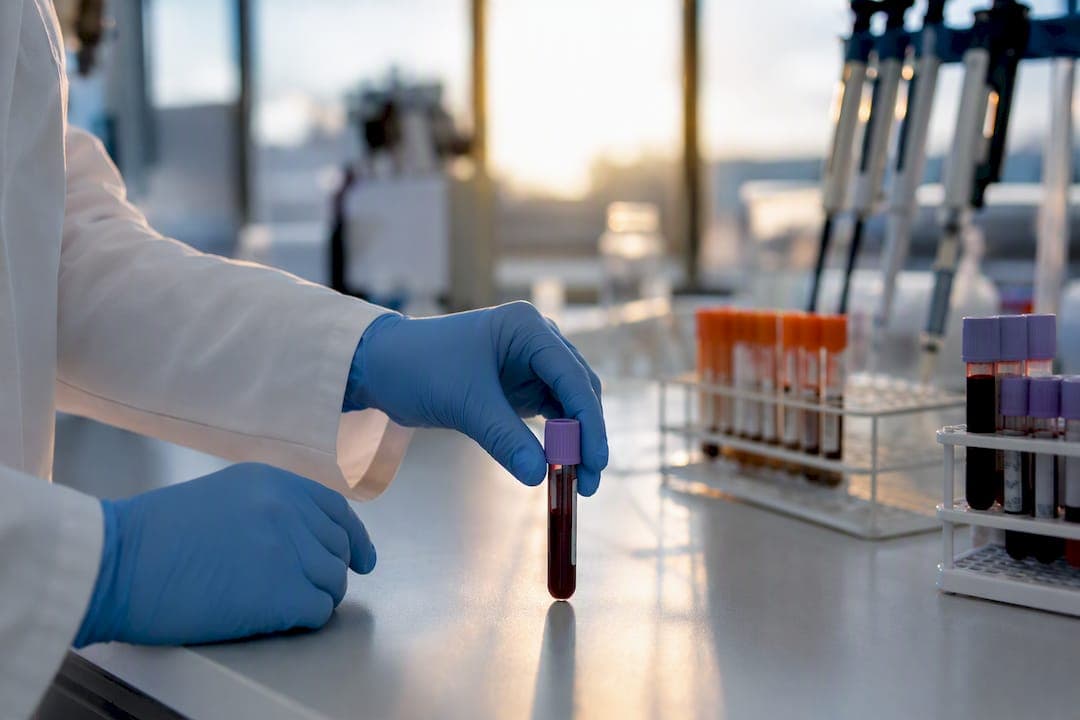
August 20, 2026
CBC Differential Explained: What Your Results Mean
Discover what your CBC differential results mean for your health. Learn how to interpret key values and what they indicate about your condition.
Read article →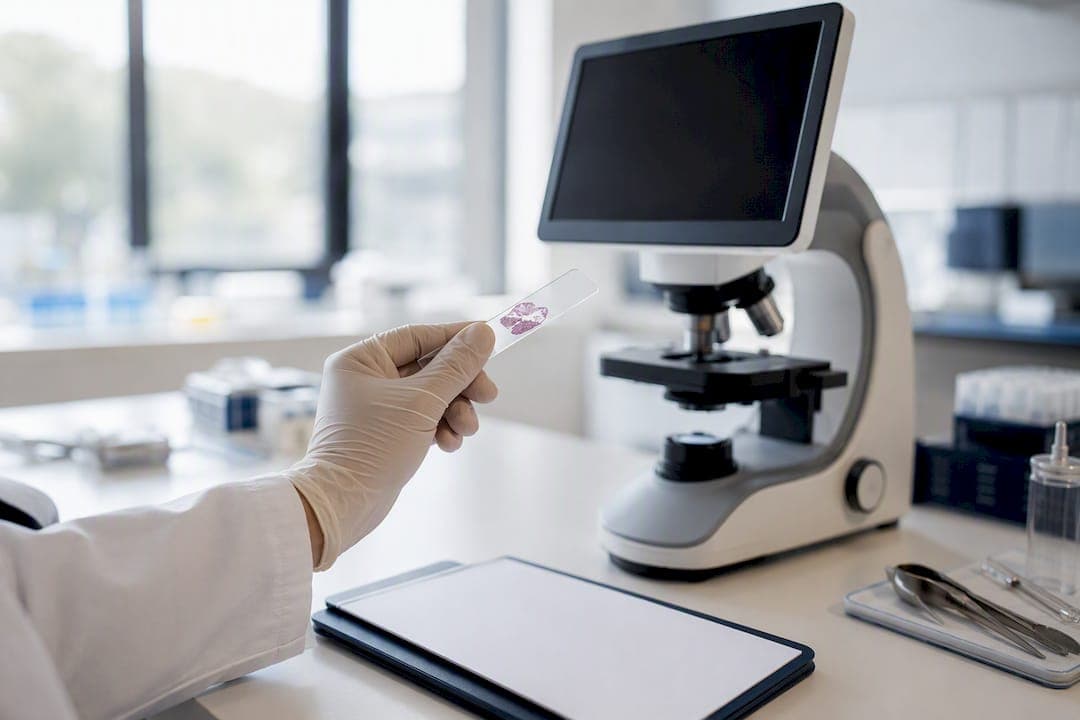
August 19, 2026
Read a Pathology Report for Patients: What to Look For
Learn how to read a pathology report effectively to understand your diagnosis and treatment options. Key insights await you!
Read article →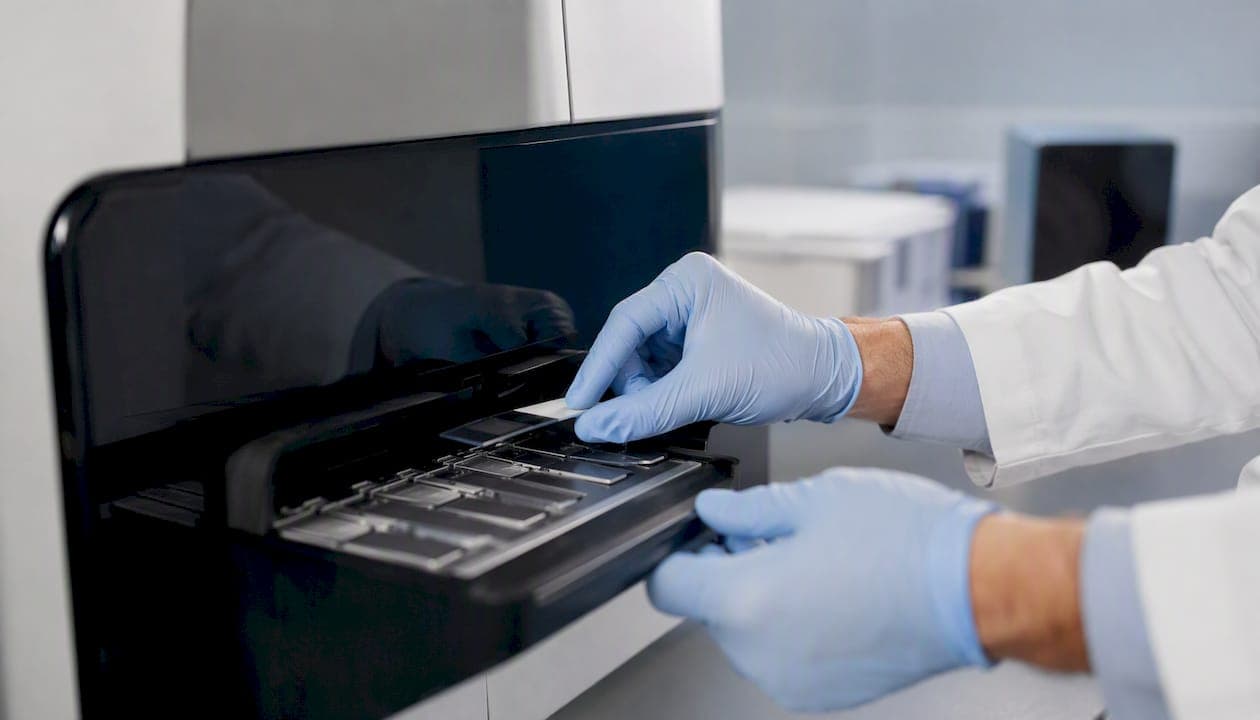
August 18, 2026
AI in Pathology: What Clinicians Need to Know
Discover how AI in pathology enhances decision-making and workflow, supporting clinicians with faster analysis and improved accuracy.
Read article →