
By EIV Diagnostics · October 10, 2026
Preoperative Lab Tests: Healthy U.S. Patients May Need None
Preoperative lab tests depend on risk: healthy patients having minor procedures may need none. EIV Diagnostics offers mobile draws and self pay options.
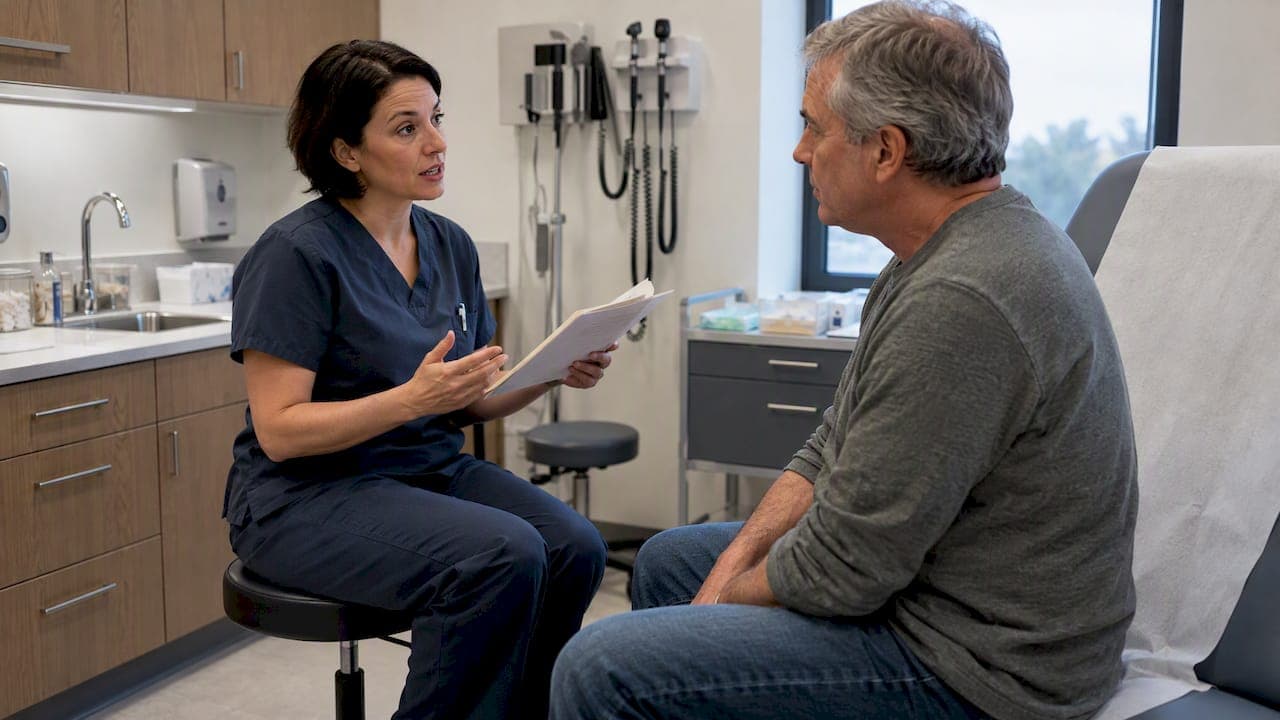
Most preoperative lab testing is targeted, not routine: if you are healthy and facing a low-risk procedure, you may need no tests at all. When testing is indicated, clinicians typically order from a short list: a complete blood count (CBC), a basic metabolic panel or comprehensive metabolic panel (CMP), coagulation studies, an ECG, a chest x-ray, urinalysis, or a pregnancy test. What follows explains each test, how doctors decide who needs what, and how to prepare.
TL;DR:
- Your history, medications, symptoms, and procedure risk guide testing; warfarin before surgery with bleeding risk calls for clotting studies, while diabetes may prompt metabolic testing.
- Results up to six months old may be accepted if your health is unchanged, but new symptoms or medication changes can require fresh testing.
- A metabolic panel or glucose test often requires 8–12 hours of fasting, whereas CBC and clotting tests usually do not; confirm instructions with your care team.
- Routine testing can produce false positives and trigger extra visits without improving outcomes for minor procedures, so ask which results would change your care.
Table of Contents
- Common Preoperative Lab Tests: What Each One Checks
- Who Needs Which Tests: How Clinicians Decide
- Timing and Validity of Pre-Op Lab Results
- Preparing for Pre-Op Lab Tests
- How EIV Diagnostics Can Help With Targeted Pre-Op Testing
- Clinician Perspective: Why Selective Testing Benefits Patients
- Get Targeted Pre-Op Tests With EIV Diagnostics
- FAQ
- Sources
Common Preoperative Lab Tests: What Each One Checks
Each test on a pre-op order serves a specific purpose tied to anesthesia safety or surgical risk, and a clinician rarely orders one without a reason tied to your history or the procedure itself.
- CBC: checks for anemia, infection, and platelet count, which matters most when significant blood loss is expected during surgery.
- Basic metabolic panel or CMP: measures electrolytes, kidney function, and glucose, all of which affect how your body handles anesthesia and certain medications.
- Coagulation studies (PT/INR and aPTT): ordered when you have a bleeding history or take anticoagulants, since abnormal clotting values can change the surgical plan.
- ECG: reserved for patients with cardiac risk factors or symptoms; an abnormal result may prompt further cardiology evaluation before clearance.
- Chest x-ray: useful when respiratory symptoms or known lung disease are present, though it has limited value as a routine screen.
- Urinalysis or urine culture: indicated for urologic procedures, implant surgery, or urinary symptoms rather than performed as a blanket screen.
- Pregnancy testing: offered to patients of childbearing potential when a positive result would change the anesthesia or surgical approach.
A comprehensive metabolic panel in particular gives the surgical team a snapshot of kidney function and electrolyte balance that can shift how anesthesia is dosed.
Who Needs Which Tests: How Clinicians Decide
Clinicians do not test everyone the same way. A practice advisory from the American Society of Anesthesiologists recommends selective testing based on your history, physical exam, and the invasiveness of the planned procedure, rather than routine panels for every patient.
- Patient factors come first: your age, chronic conditions, current medications (especially anticoagulants), symptoms, and any prior abnormal labs shape what gets ordered.
- Procedure risk matters just as much: a cataract removal or minor skin excision carries low risk, while a joint replacement or abdominal surgery carries intermediate to high risk and typically triggers more testing.
- Specific scenarios drive specific tests: a patient on warfarin heading into a bleeding-risk procedure gets coagulation studies, while a patient with diabetes having a longer surgery often gets a metabolic panel to check glucose control.
Labs support clinical judgment rather than replace it.
Timing and Validity of Pre-Op Lab Results
You will not always need brand-new labs. Guidance reviewed in a peer-reviewed analysis of preoperative testing notes that results from up to six months before surgery are frequently acceptable when your health has not changed. Fresh testing becomes necessary when your clinical status shifts, when a new medication affects kidney function or clotting, or when a specific test result would alter anesthesia planning.
Bring copies of recent lab reports to your pre-op visit, and confirm directly with your surgical team whether your facility accepts outside results or requires its own panel. Policies vary by institution and by test, so a quick call ahead of time can save you a repeat blood draw.

Preparing for Pre-Op Lab Tests
Getting accurate results starts with following a few basic steps before your draw.
- Check fasting requirements: a metabolic panel or glucose test often requires 8 to 12 hours without food, while a CBC or coagulation panel usually does not.
- Review medications with your surgical team: anticoagulants and some diabetes medications may need to be paused or adjusted before testing and before surgery itself.
- Bring identification and prior records: having recent lab reports on hand helps your care team decide whether repeat testing is necessary.
- Arrange your draw for convenience: a mobile phlebotomy visit at home or at work can replace a trip to a lab waiting room.
Pro Tip: Call your surgical center before your appointment to confirm which outside lab results they accept, so you avoid an unnecessary second blood draw.
How EIV Diagnostics Can Help With Targeted Pre-Op Testing
When your surgical team orders specific pre-op labs, we offer mobile phlebotomy that brings the blood draw to your home or office, along with self-pay testing for patients who want to order a panel directly. Our clinical pathology team supports rapid turnaround so your results reach your surgical team on schedule. You can book a home draw or order a panel directly, then bring the report to your pre-op appointment.

Clinician Perspective: Why Selective Testing Benefits Patients
Routine testing for every patient, regardless of risk, tends to generate false positives that trigger follow-up visits and anxiety without improving outcomes for low-risk procedures, a pattern documented in reviews of routine preoperative testing. Ask your care team which specific results they need and why: it is a fair question, and the answer should tie directly to your history or the procedure ahead. Targeted testing protects your safety while sparing you tests that would not change your care.
— EIV Diagnostics
Get Targeted Pre-Op Tests With EIV Diagnostics
Once your surgeon tells you which tests you need, getting them done should not add stress to an already busy week before surgery. We make that step simpler with a few concrete options.
- Book a mobile phlebotomy visit for a home or office draw.
- Order a panel directly through self-pay testing if you do not have a prescription yet.
- Count on clinical reporting with turnaround built around surgical timelines, so your results reach your team when they need them.
For facilities that need imaging reads alongside lab work, partner services like AstraRad’s teleradiology reads can support turnaround on that side of pre-op workup too. Start with our mobile phlebotomy page to see how a home draw fits into your surgery prep.
This article is general information, not a substitute for advice from a qualified doctor. Consult a qualified healthcare professional about your own circumstances before acting on anything here.
FAQ
What is done during pre-op testing?
Pre-op testing typically involves a review of your medical history, a physical exam, and targeted lab work such as a CBC, metabolic panel, coagulation studies, or an ECG, depending on your health and the planned procedure. Not every patient receives every test, since ordering follows your specific risk factors rather than a fixed checklist.
How long before an operation do you get a pre-op assessment?
Pre-op assessments are usually scheduled in the days to weeks before surgery, with exact timing set by your surgical team based on the procedure’s complexity. Lab results from up to six months prior are often accepted if your health has not changed, according to a review of preoperative testing timing, though your facility may require more recent results for certain tests.
Do you need to fast before pre-op blood tests?
Fasting requirements depend on the specific test: a metabolic panel or glucose check often requires 8 to 12 hours without food, while a CBC or coagulation panel generally does not. Check with your lab or surgical team ahead of your appointment to confirm which rule applies to your tests.
Why do clinicians avoid routine testing for every surgery patient?
Evidence reviewed in a comparative effectiveness analysis shows routine testing for low-risk procedures does not improve outcomes and can lead to false positives, added costs, and unnecessary follow-up visits. Selective testing based on your history and the procedure’s risk level is the approach favored by current professional guidance.
Sources
- Experts
- Benefits and harms of routine preoperative testing: comparative effectiveness review (AHRQ)
- Article discussing timing/validity of preoperative testing (PMC)