
By EIV Diagnostics · July 26, 2026
1,3 Beta D-Glucan Test: What You Need to Know
Learn how the 1 3 beta d-glucan test aids in diagnosing invasive fungal infections quickly and effectively. Discover its benefits today!

The 1,3 beta D-glucan test is a serum diagnostic tool that detects invasive fungal infections (IFIs) by measuring (1→3)-β-D-glucan, a polysaccharide found in the cell walls of most clinically significant fungi. When fungi invade the bloodstream or tissues, this molecule leaks into the blood, where serum testing can flag it. The test targets fungi like Candida, Aspergillus, and Pneumocystis jirovecii, and it is used as an adjunct diagnostic tool alongside cultures, imaging, and clinical criteria. Rapid assay formats like Fungitell STAT® deliver qualitative results within one hour, making it one of the faster options in the IFI diagnostic toolkit.
A few things this test does NOT do:
- Evaluate how well your immune system is functioning
- Measure the effect of dietary beta-glucan supplements
- Identify the specific fungal species causing an infection
- Replace clinical judgment or confirmatory diagnostics
Table of Contents
- How clinicians interpret 1,3 beta D-glucan results
- Why this test is not the same as taking a beta-glucan supplement
- How to get tested in the US, including at-home options
- Eivdiagnostics makes advanced fungal testing accessible
- Key Takeaways
- FAQ
How clinicians interpret 1,3 beta D-glucan results
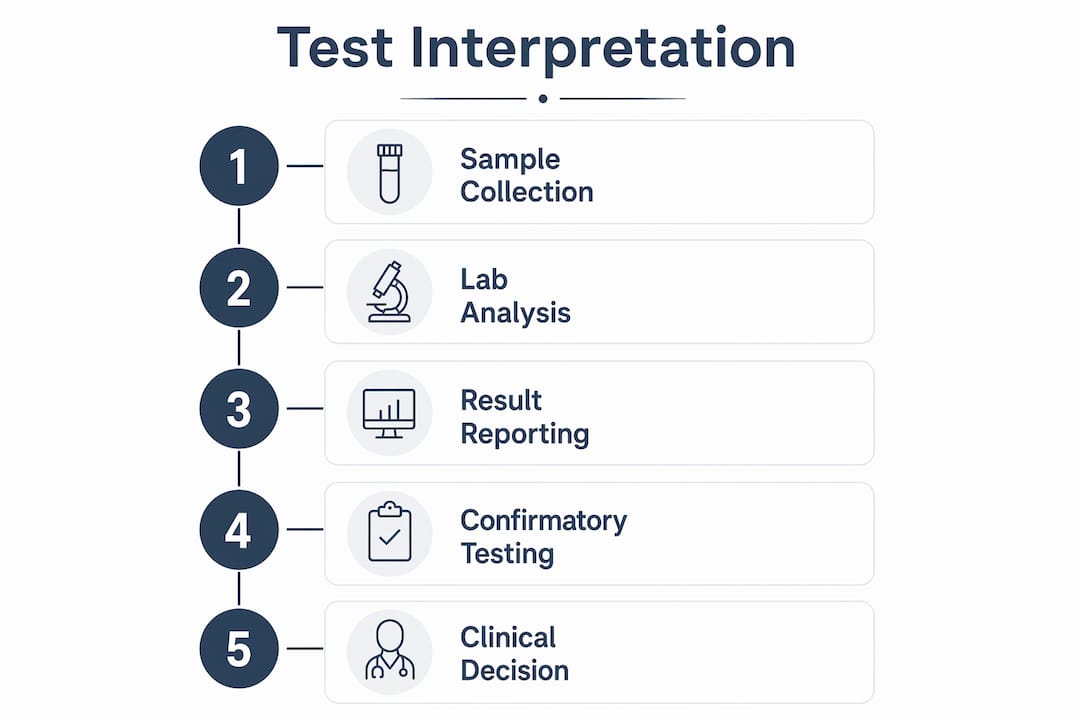
Testing is most appropriate when a patient is immunocompromised, critically ill, or shows clinical signs consistent with an IFI that cultures have not yet confirmed. Results are reported in picograms per milliliter (pg/mL). For the Fungitell assay, values below certain thresholds are negative, intermediate ranges are equivocal, and higher values are positive.
The numbers alone don’t close the case. Sensitivity ranges roughly 77–83% and specificity 60–85% depending on the fungus involved, which means both false positives and false negatives occur. Clinicians weigh results against EORTC/MSG criteria, patient risk profile, and other lab findings before acting.
False positives are a real concern. Factors that can elevate beta-glucan levels without an active fungal infection include:
- Hemodialysis using cellulose membranes
- Certain antibiotics, particularly piperacillin-tazobactam
- Bacterial infections such as Streptococcus pneumoniae
- Albumin infusions
Because of this, a positive result always warrants confirmatory workup, not immediate treatment. The test’s real strength is speed: a rapid negative can help rule out IFI early, reducing unnecessary antifungal exposure.
Why this test is not the same as taking a beta-glucan supplement
This is one of the most common points of confusion, and it matters. Dietary beta-glucan supplements, typically derived from yeast (Saccharomyces cerevisiae) or mushrooms, contain (1→3,1→6)-β-D-glucan and work through a completely different mechanism. Randomized controlled trials show these supplements can modulate innate immune function and may reduce the severity of upper respiratory infections, but that is a nutritional effect, not a diagnostic one.

The serum 1,3 beta D-glucan measurement detects a fungal infection biomarker in your blood. It does not measure whether you have taken a supplement or how robust your immune response is. Supplements do not substitute for diagnostic testing, and taking one before your draw will not affect your result in a clinically meaningful way. They are simply different tools for different purposes.
How to get tested in the US, including at-home options
Most patients access beta glucan blood testing through a physician’s order, but direct-to-consumer options exist for those who want to self-pay without a referral. Here is what the process typically looks like:
- Preparation: Check with your provider about any medications that could interfere, particularly antibiotics. Fasting requirements vary by lab, so confirm beforehand.
- Sample collection: The test requires a blood draw. At a traditional lab, you schedule an appointment and go in person.
- Mobile phlebotomy: Eivdiagnostics offers mobile phlebotomy, sending a trained phlebotomist to your home or office to collect the sample. This matters most for patients who are immunocompromised and should limit exposure in waiting rooms.
- Turnaround: Eivdiagnostics employs board-certified pathologists and prioritizes rapid, precise reporting so results reach providers quickly enough to inform treatment decisions.
- Follow-up: A positive or equivocal result should be reviewed with a healthcare provider who can order confirmatory diagnostics, such as cultures or imaging, and determine whether antifungal therapy is warranted. Learn more about what to expect from clinical pathology labs before your appointment.
Pro Tip: If you are immunocompromised or managing a chronic condition, scheduling mobile phlebotomy eliminates the waiting room risk entirely and gets your sample to the lab faster than most walk-in alternatives.
Eivdiagnostics makes advanced fungal testing accessible
Getting a 1,3 beta D-glucan test should not require navigating a hospital system or waiting weeks for an appointment. Eivdiagnostics, based in Fresno, CA, offers clinical pathology services that include fungal biomarker testing for patients, healthcare providers, and direct-to-consumer clients across the Central Valley and surrounding areas, including Sanger.
Board-certified pathologists oversee every result. Mobile phlebotomy brings the draw to you. And because Eivdiagnostics operates as an independent lab rather than a hospital system, turnaround is faster and the process is less bureaucratic. Whether you have a prescription, a provider order, or simply want to self-pay, you can order directly. Visit eivdiagnostics.com to check available test packages or schedule a mobile collection.
Key Takeaways
The 1,3 beta D-glucan test is a serum biomarker assay for invasive fungal infections, not a measure of immune health or supplement efficacy, and results must always be interpreted alongside clinical criteria.
| Point | Details |
|---|---|
| What it detects | (1→3)-β-D-glucan in blood serum, signaling invasive fungal infections like Candida or Aspergillus |
| Sensitivity and specificity | Roughly 77–83% sensitivity and 60–85% specificity; false positives from dialysis, antibiotics, or bacterial infections are common |
| Not a supplement test | Dietary beta-glucan supplements affect immune function but have no bearing on serum diagnostic results |
| Preparation matters | Confirm medication interactions and fasting requirements with your provider before the blood draw |
| Eivdiagnostics | Offers direct-to-consumer and provider-ordered beta-glucan testing with mobile phlebotomy and board-certified pathologist reporting |
FAQ
What does a positive 1,3 beta D-glucan test mean?
A positive result on the Fungitell assay suggests possible invasive fungal infection, but it requires confirmatory testing. False positives from dialysis, certain antibiotics, or bacterial infections are well documented.
Can dietary beta-glucan supplements affect my test result?
No. Serum 1,3 beta D-glucan measurement detects a fungal infection biomarker, not supplement levels. Taking a beta-glucan supplement does not meaningfully alter the diagnostic result.
Do I need a doctor’s order to get this test?
Not always. Eivdiagnostics accepts direct-to-consumer orders, so patients can self-pay and schedule testing without a physician referral, though follow-up with a provider is strongly recommended for any abnormal result.
Which fungi does the test detect?
The assay detects a broad range including Candida, Aspergillus, and Pneumocystis jirovecii, but it cannot identify the specific species. Further diagnostic workup is needed to confirm the organism.
Recommended
- CMP Test Code 10231: What It Measures and Why It Matters | EIV Diagnostics | EIV Diagnostics
- Fast Testing Results: What Patients in Clovis Need to Know | EIV Diagnostics | EIV Diagnostics
- Clinical Pathology Labs: What Patients Need to Know | EIV Diagnostics | EIV Diagnostics
- Cytology Testing in Tulare County: What You Need to Know | EIV Diagnostics | EIV Diagnostics