
By EIV Diagnostics · July 21, 2026
Cytology Testing in Tulare County: What You Need to Know
Discover essential insights on cytology testing in Tulare County. Learn about its benefits, common types, and how it helps detect health issues.
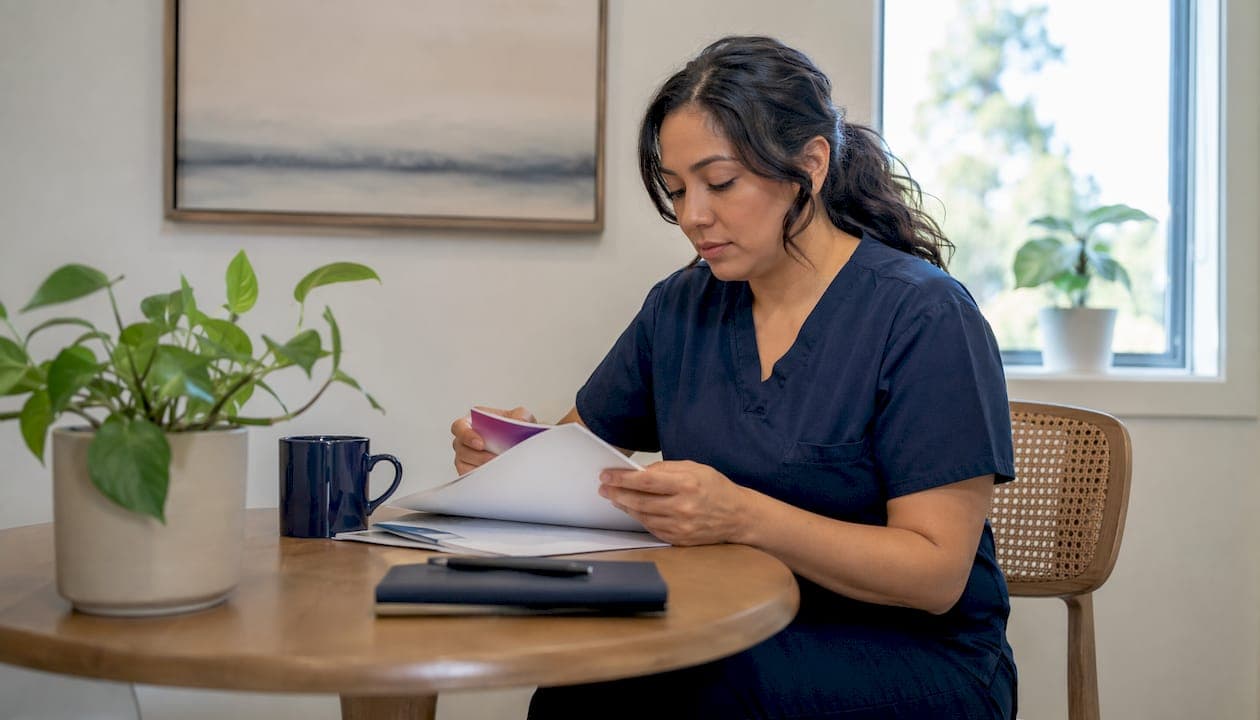
Cytology testing examines individual cells or small clusters under a microscope to detect cancer, infections, and inflammatory conditions using only a small sample of fluid or tissue. Unlike a biopsy, which removes a chunk of tissue to study its architecture, cytology works from isolated cells, making it less invasive, less painful, and less likely to cause complications. A board-certified pathologist reviews the prepared slides, and CLIA-certified laboratories are required by federal law to maintain quality standards. Here is what patients and providers in Tulare County should know before ordering or undergoing a cytological examination:
- Cytology screens for cancer, precancerous changes, infections, and inflammatory conditions
- Common sample types include cervical cells, urine, sputum, and fluid from body cavities
- Results can be normal, abnormal, or unsatisfactory; abnormal does not automatically mean cancer
- Cytology lacks tissue architecture detail, so a positive result often requires biopsy confirmation
- Clinical information submitted with the sample directly affects diagnostic accuracy
How are cytology samples collected, and how should you prepare?
The collection method depends on where the cells are coming from. Most procedures cause minimal discomfort, and results typically take several days to one to two weeks depending on lab volume and test complexity.
The main collection approaches are:
- Pap smear: A spatula or brush scrapes cells from the cervix. No special preparation is usually required, though providers recommend avoiding intercourse or vaginal products for 24 hours beforehand.
- Fine-needle aspiration (FNA): A thin, hollow needle draws cells from a lump or nodule. Using too large a needle introduces excess blood that obscures the sample.
- Body fluid collection: Urine, sputum, pleural fluid, and cerebrospinal fluid are collected and analyzed for cancer cells or pathogens.
- Scrape or brush cytology: Cells are brushed from the esophagus, bronchial airways, or other mucosal surfaces.
Most labs now process cervical and many other samples using Liquid-Based Cytology (LBC). Methods like ThinPrep and SurePath immerse the collection device directly into a preservative vial, removing blood and debris automatically and producing a cleaner monolayer slide than a conventional smear.
Pro Tip: Deliver your sample to the lab within one hour of collection. If that is not possible, refrigerate it. Delayed or improperly fixed samples degrade quickly and can result in an unsatisfactory result, forcing a repeat collection.
Always include complete clinical history on the requisition form. Clinical context helps the pathologist interpret borderline findings accurately and reduces unnecessary repeat testing.
What do cytology results mean, and what happens next?
Abnormal cytology does not always mean cancer. Infections, inflammation, and precancerous changes all produce abnormal-looking cells. Understanding the possible outcomes helps patients ask the right questions.
Possible result categories include:
- Normal/Negative: No abnormal or cancerous cells detected.
- Atypical or Suspicious: Some abnormal cells present; further evaluation is warranted.
- Positive: Cancer cells identified in the sample.
- Unsatisfactory: Too few cells or poor preservation; the test must be repeated.
Pathologists also assign a grade to precancerous or cancerous cells, indicating how different they look from normal tissue. Because cytology examines isolated cells without tissue architecture, a positive cytology result typically requires a follow-up biopsy before any treatment begins. Routine screenings like Pap smears can return results in one to two days; more complex non-gynecological specimens may take one to two weeks.
False negatives and false positives do occur, particularly when samples are poorly collected or clinical information is missing. Providers use cytology results alongside imaging, patient history, and biopsy findings to decide on next steps.
Comparing cytology testing providers in Tulare County
Four verified facilities in Tulare County offer cytology-related diagnostic services. Each differs in facility type, scope of testing, and the populations they serve best.
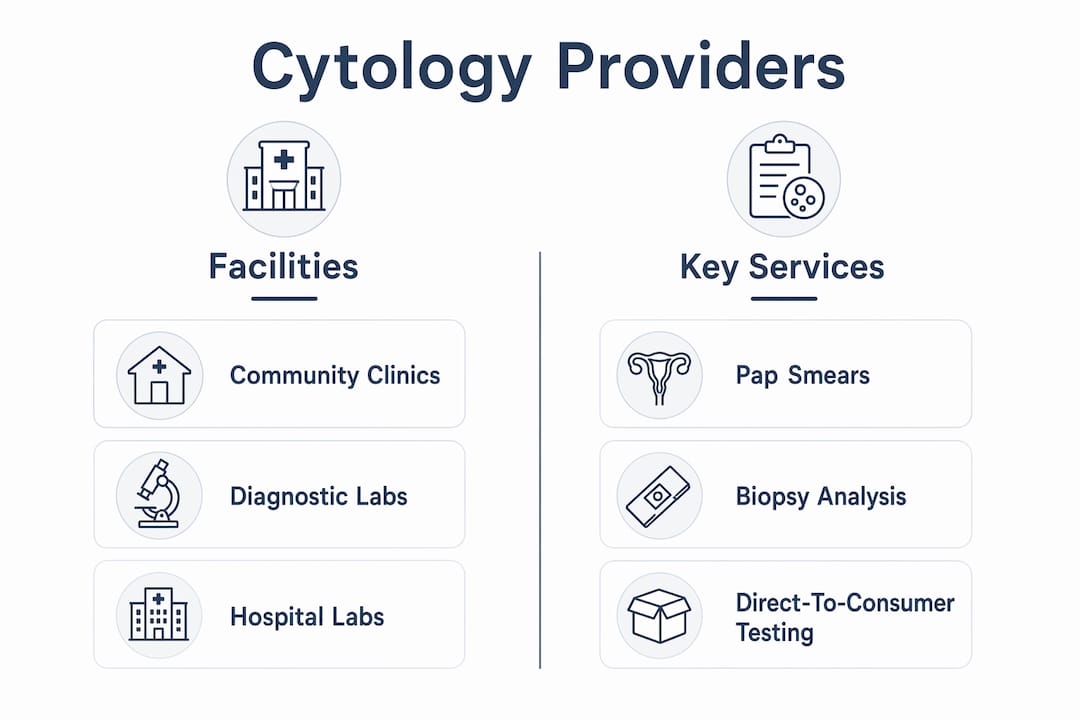
| Provider | Facility Type | Key Cytology Services | Address | Best For | Rating |
|---|---|---|---|---|---|
| Kaweah Health Tulare Clinic | Community medical clinic | Cytology and integrated diagnostic services | 1000 N Mooney Blvd, Tulare, CA | Patients wanting clinic-based cytology with primary care coordination | 4.1★ (139 reviews) |
| Quest Diagnostics | Standalone lab | Doctor-ordered and self-purchased cytology and lab tests | 919 N Blackstone St, Tulare, CA | Patients needing accessible walk-in lab sample collection | 3.3★ (135 reviews) |
| Labcorp | Standalone lab | Routine cytology and standard diagnostic lab testing | N Cherry St, Tulare, CA | Patients seeking routine lab work through a national network | 2.6★ (77 reviews) |
| Laboratory Services - Adventist Health Tulare | Hospital-affiliated lab | Molecular tests, serology, hematology, urinalysis, and cytology | 869 N Cherry St, Tulare, CA | Providers and patients needing advanced molecular and cytology diagnostics | 5★ (2 reviews) |
Kaweah Health Tulare Clinic operates as a full community medical clinic at 1000 N Mooney Blvd, integrating cytology testing within broader clinical care. Patients who want their cytology results reviewed in the context of an ongoing provider relationship will find this setup practical.
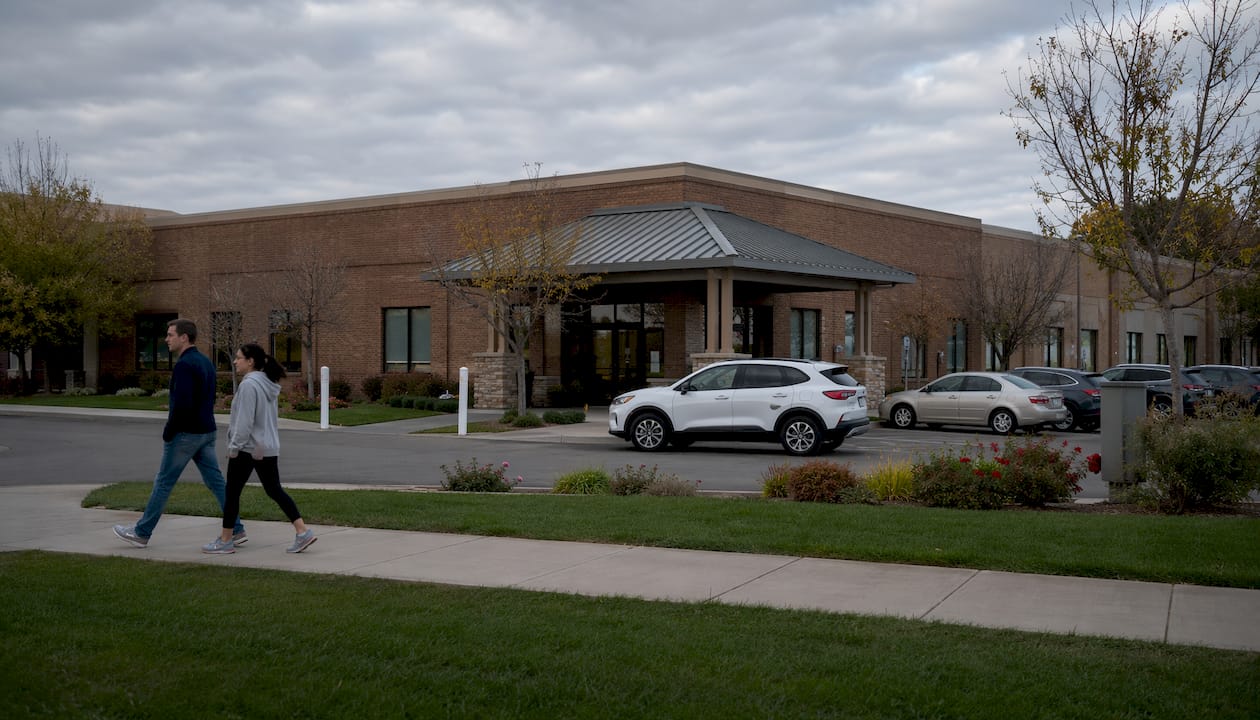
Quest Diagnostics at 919 N Blackstone St accepts both doctor-ordered tests and self-purchased lab work, which suits patients who want to order testing without a prior appointment with a physician. Its broad test menu and accessible collection hours make it a practical choice for straightforward cytology sample collection.
Labcorp on N Cherry St covers routine cytology and standard diagnostics through its national infrastructure. It is a workable option for patients whose providers already use Labcorp’s network for result routing.
Laboratory Services at Adventist Health Tulare is the most clinically comprehensive option on this list. Located at 869 N Cherry St, it offers molecular testing, serology, hematology, and urinalysis alongside cytology, and it partners directly with healthcare providers for rapid results. Providers ordering non-gynecological cytology or molecular diagnostics alongside cytology will find the broadest scope here. For affordable lab testing options across the region, it is worth comparing costs across facilities before committing.
What does cytology testing cost, and does insurance cover it?
Most major insurance plans, including Medi-Cal and Medicare, cover cytology testing when ordered by a physician for a medically indicated reason. Preventive screenings like Pap smears are typically covered at no cost under the Affordable Care Act for eligible patients. Non-gynecological cytology, such as urine cytology or FNA, usually requires a co-pay or cost-sharing depending on the plan.
Without insurance, costs vary by test type and facility. A Pap smear at a community clinic tends to run lower than an FNA processed with ancillary molecular testing. Patients paying out of pocket should ask the lab for a self-pay rate before the sample is collected, since list prices and negotiated rates can differ. Connecting with a service like ThreadCare can help patients identify which local labs accept their coverage and compare costs before scheduling.
Eivdiagnostics offers an independent pathology alternative for Tulare County patients
If the providers above do not fit your situation, Eivdiagnostics is an independent pathology laboratory based in Fresno, CA, serving Tulare County and the surrounding area.
Eivdiagnostics accepts patients with or without a doctor’s order, which means you do not need a physician referral to get tested. The lab’s board-certified pathologists cover cytology services, molecular pathology, dermatopathology, and digital pathology, with mobile phlebotomy available if you cannot travel to a draw site. For providers who need advanced diagnostics beyond what a standard community lab offers, Eivdiagnostics provides rapid turnaround and detailed reporting. It is a direct alternative for patients who want more control over their testing without being locked into a hospital system.
FAQ
What is cytology testing used for?
Cytology testing examines cells under a microscope to screen for and diagnose cancer, infections, and inflammatory conditions, using small samples from fluids, surface scrapings, or fine-needle aspiration.
How long does it take to get cytology results?
Routine screenings like Pap smears can return results in one to two days, while more complex specimens may take one to two weeks depending on the lab and test type.
Does abnormal cytology always mean cancer?
No. Abnormal results can reflect infections, precancerous changes, or inflammation. A biopsy is usually needed to confirm a cancer diagnosis when cytology is positive.
Can I get cytology testing without a doctor’s order in Tulare County?
Quest Diagnostics accepts self-purchased lab work, and Eivdiagnostics also serves direct-to-consumer patients without a physician referral, including mobile collection options.
What is liquid-based cytology, and why does it matter?
Liquid-based cytology (LBC) methods like ThinPrep and SurePath preserve cells in a fixative vial immediately after collection, producing cleaner slides with fewer indeterminate results than conventional smears.
Key Takeaways
Cytology testing is the most practical first-line tool for cancer screening and infection diagnosis because it requires only a small cell sample, causes minimal discomfort, and delivers results in as little as one to two days for routine cases.
| Point | Details |
|---|---|
| Cytology vs. biopsy | Cytology uses isolated cells; biopsy includes tissue architecture, so positive cytology often requires biopsy confirmation. |
| Sample handling matters | Deliver samples within one hour or refrigerate; delayed fixation causes cell degradation and may force a repeat test. |
| Abnormal does not mean cancer | Results can reflect infections or precancerous changes; grading and follow-up testing clarify the diagnosis. |
| Local provider scope varies | Adventist Health Tulare offers the broadest molecular and cytology menu; Quest Diagnostics accepts self-pay orders without a referral. |
| Eivdiagnostics option | Eivdiagnostics serves Tulare County patients and providers with board-certified pathology, direct-to-consumer access, and mobile collection. |
Recommended
- Cytology Services | EIV Diagnostics | EIV Diagnostics | EIV Diagnostics
- Fast Testing Results: What Patients in Clovis Need to Know | EIV Diagnostics | EIV Diagnostics
- Dermatopathology Services: What Patients and Providers Need to Know | EIV Diagnostics | EIV Diagnostics
- Top 4 Affordable Lab Testing Providers 2026 | EIV Diagnostics | EIV Diagnostics