
By EIV Diagnostics · July 18, 2026
Clinical Pathology Labs: What Patients Need to Know
Discover how clinical pathology labs diagnose diseases, guide treatments, and improve your health management. Learn more about their tests today!
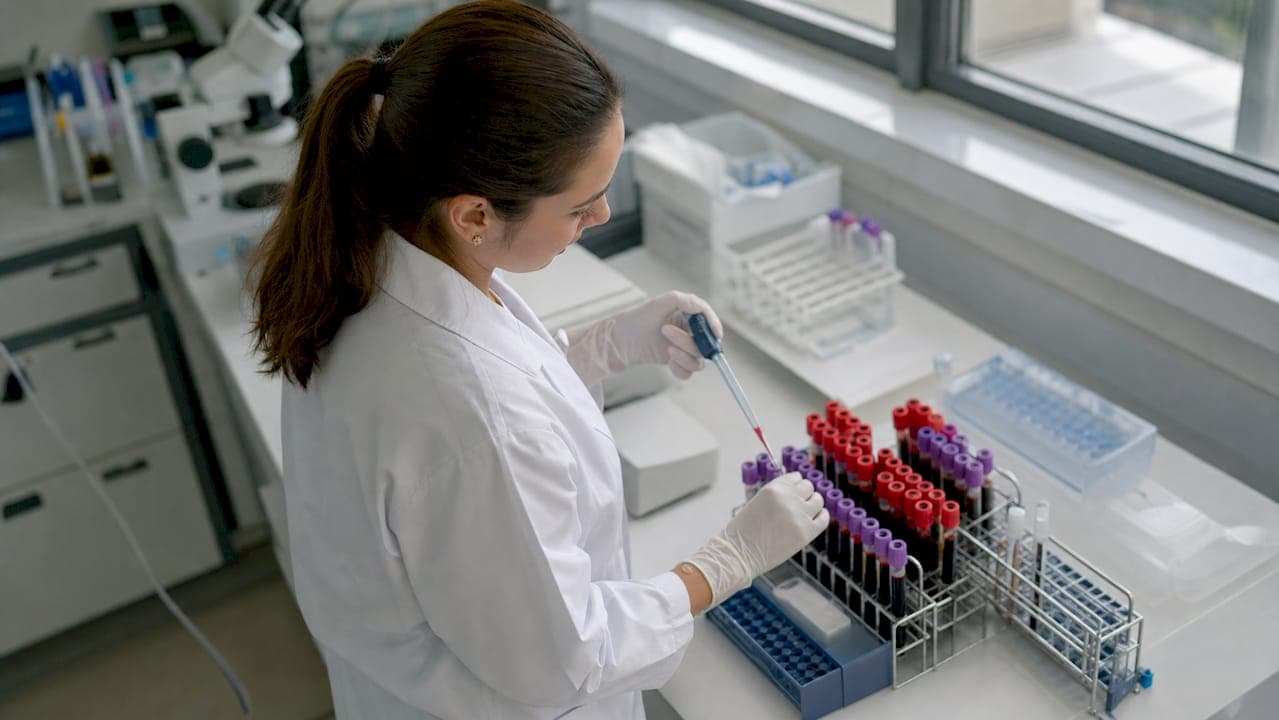
Clinical pathology labs are specialized medical facilities that analyze blood, urine, cerebrospinal fluid, and other bodily fluids to diagnose disease and guide treatment. These labs sit at the center of nearly every clinical decision a provider makes. Without accurate laboratory diagnostics, conditions like diabetes, anemia, and infection would go undetected far longer than they should. In the Fresno-Visalia area, where access to timely medical care matters deeply, understanding how these labs work, what tests they offer, and how you can access them directly gives you a real advantage in managing your health.
What do clinical pathology labs test and diagnose?
Clinical pathology is the branch of medicine focused on diagnosing disease through the laboratory analysis of bodily fluids. It is distinct from anatomic pathology, which examines tissue samples under a microscope and produces detailed narrative reports. Clinical pathology handles fluids and high-volume testing, while anatomic pathology focuses on tissues and surgical specimens. Both disciplines work together to give providers a complete diagnostic picture.
Major clinical pathology divisions include:
- Hematology: Complete blood counts, coagulation panels, and blood cell morphology studies
- Clinical chemistry: Metabolic panels, liver function tests, lipid profiles, and glucose monitoring
- Microbiology: Bacterial cultures, sensitivity testing, and viral detection
- Molecular diagnostics: PCR-based testing for infectious disease, genetic markers, and oncology panels
- Urinalysis: Kidney function screening, infection detection, and metabolic assessment
- Immunology and serology: Autoimmune markers, allergy panels, and hormone levels
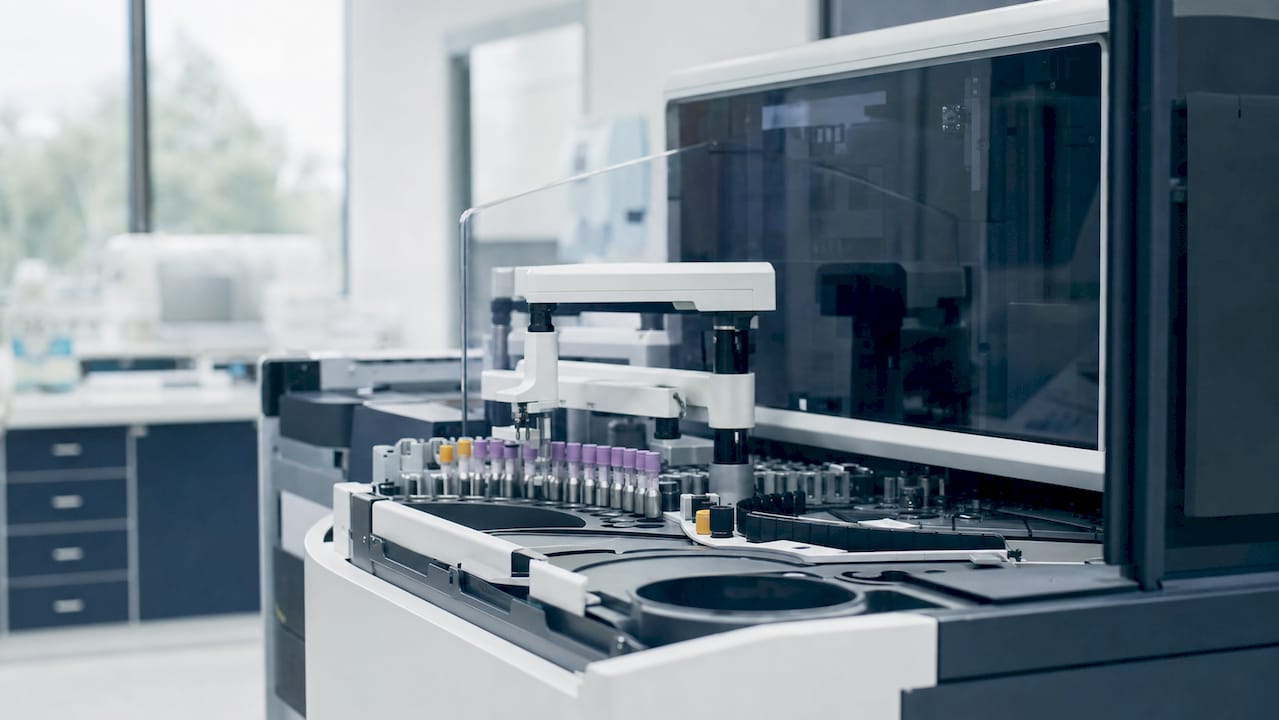
The scale of these operations is significant. Major centers process over 16 million tests yearly, with automated chemistry sections alone handling more than 7 million routine biochemical tests annually. That volume reflects how central laboratory diagnostics are to daily clinical care.
The difference between clinical and anatomic pathology also shows up in turnaround time. Clinical pathology results return in 24–48 hours due to batch processing and automated workflows. Anatomic pathology reports, by contrast, often take several days because each case requires manual review and written interpretation.
How can patients access lab testing without a doctor’s visit?
Direct-to-consumer (DTC) lab testing lets patients order their own tests online, visit a certified collection site, and receive results without a physician referral. This model has grown significantly and now covers most of the country. However, the rules vary by state, and knowing where California stands matters if you live in Fresno or Visalia.
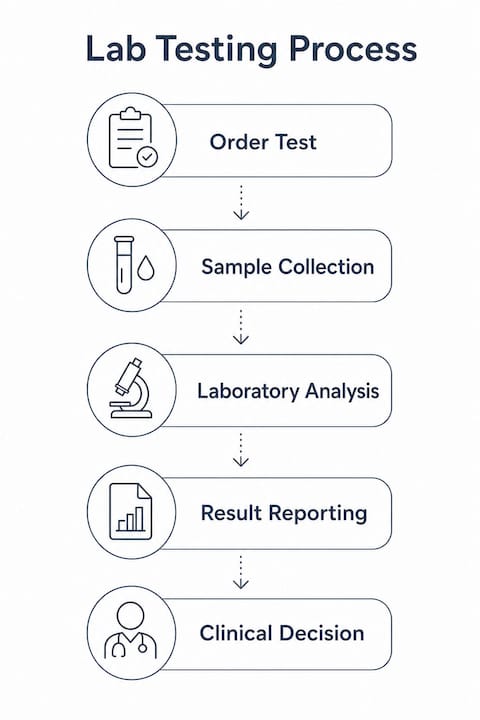
California allows direct-access testing. Patients can self-order a wide range of tests, pay out of pocket, and receive results directly. The process works like this:
- Choose your tests online. Select from available panels on a lab’s website or patient portal.
- A licensed physician reviews your order. Even in DTC models, licensed physicians authorize tests to maintain medical oversight. This step happens behind the scenes and does not require a visit.
- Visit a certified collection site or schedule mobile phlebotomy. A trained phlebotomist collects your sample at a lab draw station or at your home or office.
- Receive your results. Most results arrive through a secure online portal within 24–48 hours for routine tests.
Not every state offers this freedom. New York, New Jersey, and Rhode Island maintain strict barriers to direct-access testing and require a physician order for most lab work. Residents in those states often use telehealth physician networks to authorize their orders legally, which adds a step but preserves access. California patients face no such barrier for most common tests.
Pro Tip: Before ordering a self-pay test, check whether fasting is required. Glucose and lipid panels both require an 8–12 hour fast. Showing up without fasting can invalidate your results and cost you a second draw.
DTC testing offers real benefits: faster results, transparent pricing, and privacy. The benefits include faster results and privacy, but patients should understand that a number outside the reference range does not always mean disease. Context, symptoms, and medical history all shape what a result actually means.
How accurate are clinical pathology lab results?
Accuracy in laboratory diagnostics depends on three things: federal certification, quality control processes, and proper specimen handling. The federal Clinical Laboratory Improvement Amendments (CLIA) program sets the baseline. CLIA certification applies equally to all labs conducting patient testing, including DTC facilities. FDA regulation adds another layer, governing the test kits and analyzers labs use.
“Clinical pathology results are not merely numbers. They result from complex processes combining advanced technology with expert clinical oversight. A result without context is data. A result with expert interpretation is a diagnosis.”
The biggest threat to accuracy is not the lab itself. Pre-analytical errors like mislabeling and improper specimen collection contribute significantly to diagnostic inaccuracies. These errors happen before the sample ever reaches an analyzer. Proper phlebotomy technique, correct tube selection, and timely transport all affect whether a result is valid.
Common sources of pre-analytical error include:
- Mislabeled specimens: A tube with the wrong patient name leads to a result that cannot be safely used
- Hemolysis: Rough handling or incorrect needle technique breaks red blood cells, falsely elevating potassium levels
- Improper storage: Temperature-sensitive samples like certain hormones degrade if not refrigerated promptly
- Incorrect collection timing: Cortisol and other hormones fluctuate throughout the day, so collection time affects interpretation
Labs that use Laboratory Information Systems (LIS) with autoverification rules catch many of these issues before results release. Autoverification compares each result against predefined rules and flags outliers for human review. This technology is standard at accredited facilities and reduces the chance that an erroneous result reaches a provider or patient.
How do lab results connect to your overall care?
Clinical pathology labs do not operate in isolation. Their results feed directly into clinical decisions about diagnosis, treatment selection, and disease monitoring. A provider ordering a hemoglobin A1c test is not just checking a number. They are tracking whether a patient’s diabetes management plan is working over the past three months.
The table below shows how common test categories connect to clinical decisions:
| Test category | Clinical use | Typical turnaround |
|---|---|---|
| Complete blood count | Anemia, infection, blood disorders | Same day to 24 hours |
| Metabolic panel | Kidney and liver function, electrolytes | Same day to 24 hours |
| Lipid panel | Cardiovascular risk assessment | 24–48 hours |
| Thyroid panel | Hypothyroidism, hyperthyroidism monitoring | 24–48 hours |
| PCR molecular test | Infectious disease detection, oncology | 24–72 hours |
| Urine culture | Urinary tract infection identification | 48–72 hours |
Turnaround time matters because treatment decisions wait on results. A provider managing a patient with suspected sepsis needs blood culture results within hours, not days. Labs that run automated workflows for batch processing deliver routine results faster and with fewer manual steps.
Pro Tip: When you receive lab results through a patient portal, write down any values flagged as high or low before your follow-up appointment. Providers appreciate patients who come prepared with specific questions rather than general concerns.
Patients in the Fresno-Visalia area benefit from knowing that pathology testing services with fast turnaround are available locally. Waiting days for results creates anxiety and delays care. Choosing a lab with efficient processing and direct result delivery reduces both.
Modernization in clinical pathology also means better integration with electronic health records (EHRs). When lab results flow automatically into a provider’s EHR, the provider sees them the moment they are available. That connection shortens the time between testing and treatment.
Key Takeaways
Clinical pathology labs are the backbone of accurate diagnosis, and patients who understand how they work get more from every test they order.
| Point | Details |
|---|---|
| Clinical pathology analyzes fluids | Blood, urine, and other fluids are tested to diagnose disease and monitor treatment. |
| DTC testing is legal in California | Fresno-Visalia patients can self-order most tests without a physician referral. |
| CLIA certification guarantees standards | All accredited labs, including DTC facilities, follow the same federal quality rules. |
| Pre-analytical errors drive inaccuracy | Proper specimen collection and labeling matter as much as the lab’s technology. |
| Results need clinical context | A flagged value requires interpretation alongside symptoms and medical history. |
Why I think patients underestimate the lab’s role in their care
Most patients think of a lab as a place where blood gets drawn and numbers come back. That framing misses most of what actually happens. The analysis, quality checks, autoverification, and pathologist review that occur between collection and result delivery represent hours of work and layers of expertise.
What concerns me more is the growing assumption that a normal result means nothing is wrong. Reference ranges are population averages. A result at the high end of normal for one patient may be significantly elevated for another based on their baseline. Without a provider who knows your history, a “normal” result can create false reassurance.
Direct-to-consumer testing is genuinely useful. I have seen patients catch thyroid dysfunction, prediabetes, and vitamin deficiencies through self-ordered tests before any provider flagged a concern. That kind of proactive access to affordable lab testing has real value. But the patients who benefit most are the ones who bring their results to a provider for context, not the ones who treat a portal notification as a final verdict.
The labs doing this work well are investing in automation, EHR integration, and board-certified pathologist oversight. That combination produces results you can trust. The patients who use those results wisely are the ones who treat lab data as one input in a larger conversation about their health, not the final word.
— Krunal
Eivdiagnostics: clinical pathology services built for Fresno-Visalia
Eivdiagnostics is an independent pathology laboratory in Fresno, CA, serving both patients and healthcare providers across the Central Valley.
The lab offers clinical pathology services covering molecular diagnostics, dermatopathology, and digital pathology, with board-certified pathologists reviewing every case. Patients who want to skip the waiting room can use Eivdiagnostics’ mobile phlebotomy service, which brings sample collection directly to your home or office. Self-pay options are available for patients without a physician referral, making quality laboratory diagnostics accessible without insurance barriers. Providers can also connect through a dedicated portal for streamlined ordering and rapid result delivery. For anyone in Fresno-Visalia who needs reliable, accredited lab testing on their schedule, Eivdiagnostics is built for exactly that.
FAQ
What is clinical pathology?
Clinical pathology is the medical specialty focused on diagnosing disease by analyzing blood, urine, and other bodily fluids using automated and molecular testing methods. It differs from anatomic pathology, which examines tissue samples.
Can I order lab tests without a doctor in California?
Yes. California allows direct-access testing, so patients can self-order most lab tests, pay out of pocket, and receive results directly. A licensed physician reviews and authorizes the order behind the scenes.
How accurate are direct-to-consumer lab tests?
DTC tests use the same CLIA-certified labs and FDA-approved methods as doctor-ordered tests, so accuracy is equivalent. The main risk is misinterpreting results without clinical context.
How long does it take to get lab results?
Routine clinical pathology results typically return within 24–48 hours. Molecular tests and cultures may take 48–72 hours depending on the test type and lab workflow.
What causes errors in lab test results?
Pre-analytical errors such as mislabeled specimens, improper collection technique, and incorrect storage are the most common causes of inaccurate results. Following preparation instructions before your draw significantly reduces this risk.